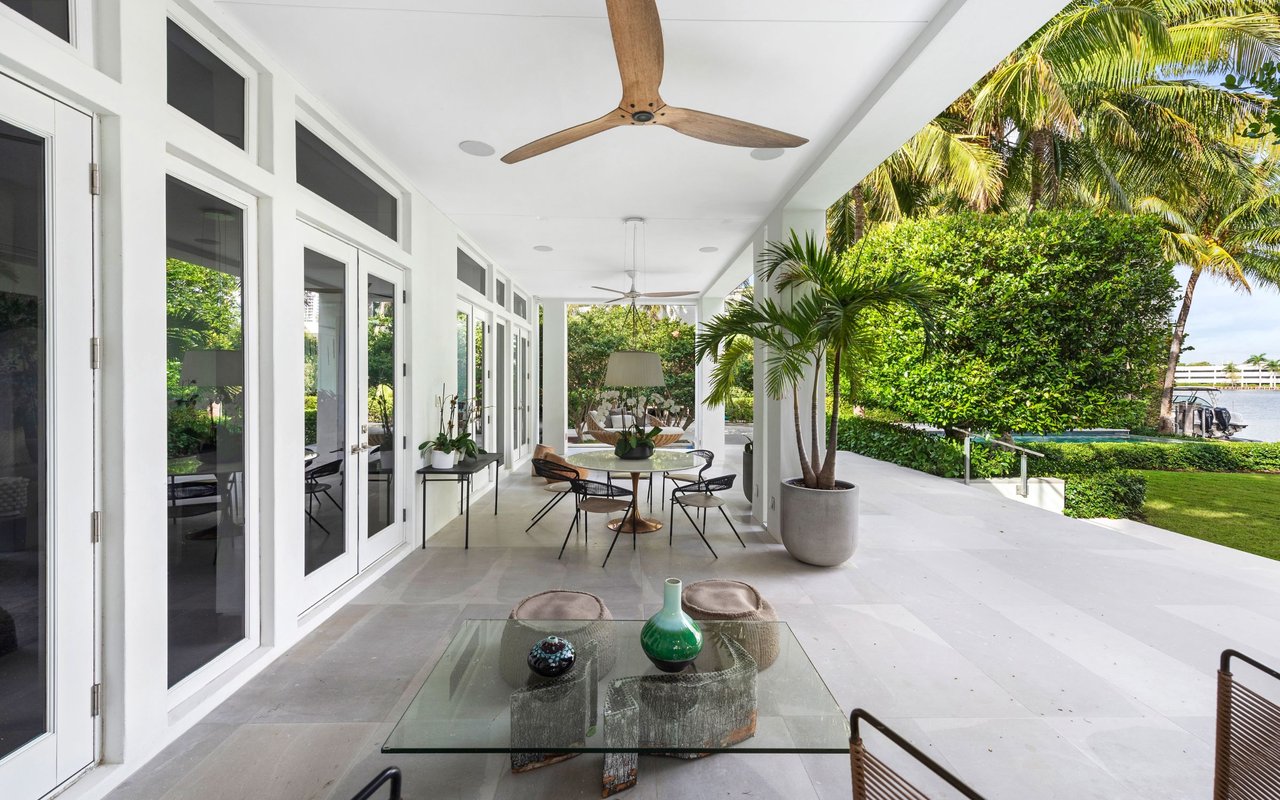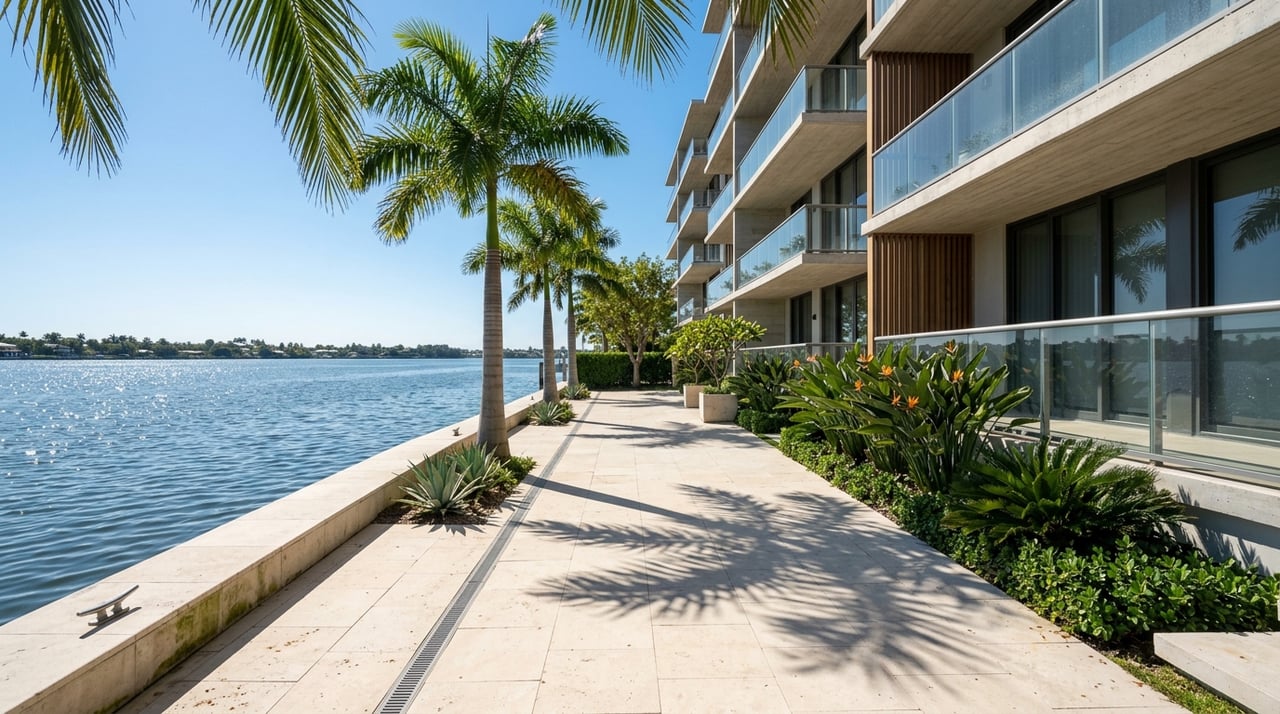
What does Coconut Grove actually feel like when you are not just visiting for a meal or a quick walk by the bay? If you are thinking about living here, that is the question that matters most. A resident-style weekend can tell you a lot about the pace, routines, and everyday conveniences of the neighborhood, and Coconut Grove offers a particularly clear picture. Let’s dive in.
Why Coconut Grove Feels Different
Coconut Grove is widely recognized as Miami’s oldest neighborhood, and Florida State Parks describes it as the city’s oldest continuously occupied neighborhood. That history still shapes how the area feels today. Instead of reading like a pure visitor district, the Grove comes across as a lived-in village with a steady, neighborhood rhythm.
The Coconut Grove BID describes the area through its green space, bayfront views, sidewalk cafes, boutiques, chef-driven restaurants, and sailboats. For you as a future resident, that mix matters because it suggests a place where daily life and leisure overlap. You are not choosing between convenience and character here. In many parts of the Grove, you get both.
Start Your Weekend Like a Local
A future resident weekend in Coconut Grove usually starts with a slow morning, not a rushed itinerary. The neighborhood supports that rhythm well, especially around Main Highway and Commodore Plaza. You can picture an early coffee, a casual breakfast, and a walk to your next stop instead of a day built around driving.
Greenstreet Café opens at 7 a.m. on Main Highway and has long been part of the local social fabric. Crema Gourmet draws a breakfast and lunch crowd on Commodore Plaza, while Le Bouchon du Grove adds a French bistro option with Sunday brunch hours. Together, these spots reflect something important about Coconut Grove living: weekends here can feel easy and unforced.
Coffee, brunch, and people-watching
One of the best ways to evaluate a neighborhood is to see how it handles ordinary moments. In Coconut Grove, the morning scene is a meaningful part of the lifestyle. Sidewalk cafes and compact commercial streets make it easy to settle into a table, watch the neighborhood wake up, and imagine that becoming part of your weekly routine.
This is especially useful if you are relocating from a more car-dependent area. In the Grove, a simple coffee run can turn into a walk through the village center, a stop at a boutique, or a casual brunch with friends. That layered convenience is one reason the neighborhood appeals to buyers seeking both lifestyle and function.
Explore the Grove on Foot or Bike
Once your morning gets going, Coconut Grove rewards movement. Miami-Dade identifies the Commodore Trail as a 5-mile route used for walking, inline skating, and cycling, with connections to Peacock Park, The Barnacle Historic State Park, Kennedy Park, Vizcaya, and Miami City Hall. For future residents, that is one of the clearest signs that the neighborhood supports an active daily routine.
The trail does more than provide recreation. It helps tie together the Grove’s waterfront, civic spaces, and cultural landmarks in a way that feels practical for everyday life. If you enjoy starting your day with a run, a bike ride, or a long walk, Coconut Grove makes that habit easier to maintain.
A more connected daily routine
The City of Miami’s Coconut Grove trolley route adds another layer of convenience. It serves the historic neighborhood and provides access to parks, shopping areas, City Hall, and both the Coconut Grove and Douglas Road Metrorail stations. That makes it easier to imagine a weekend or even parts of your workweek with fewer car trips.
For many buyers, this is a major quality-of-life factor. A neighborhood feels different when its public spaces, shops, transit connections, and waterfront are woven together rather than spread far apart. Coconut Grove’s layout supports that kind of connected experience.
Spend Time by the Water
In Coconut Grove, the waterfront is not just something you look at from a distance. The research points to a neighborhood where people interact with the shoreline in ordinary, recurring ways. That may be the most important distinction for anyone considering a move here.
Dinner Key Marina is a major example. The City of Miami describes it as a 587-slip marina with more than 250 moorings, making it the largest wet-slip marina on the U.S. East Coast. Because it sits beside Historic City Hall and a short walk from the Grove’s retail and entertainment core, the marina feels integrated into neighborhood life rather than isolated from it.
Peacock Park and Kennedy Park
Peacock Park adds another resident-friendly layer to the waterfront. The City of Miami describes it as a 9.4-acre urban waterfront park with direct access to the Intracoastal Waterway, and the city’s project information references a kayak launch. That is a useful signal that the bay is part of active daily use, not just scenery.
David T. Kennedy Park brings a different kind of outdoor routine into focus. The city lists bicycle paths, a dog park, outdoor gym equipment, picnic tables, a playground, volleyball, and waterfront access. If you are trying to picture how a weekend really unfolds after a move, spaces like this often matter more than headline attractions.
Add History and Culture to the Day
Coconut Grove also stands out because its lifestyle is not only about dining and outdoor space. The neighborhood has a strong cultural and historic layer that gives your weekend more depth. That can be especially appealing if you want a location that feels established rather than newly assembled.
The Barnacle Historic State Park is one of the best examples. Florida State Parks says the home was built in 1891 on the shore of Biscayne Bay, and the grounds are open Thursday through Monday from 9 a.m. to 5 p.m. With options for birding, picnicking, outdoor concerts, and dog-friendly walking, it fits naturally into a low-key weekend routine.
Vizcaya and neighborhood institutions
Vizcaya Museum and Gardens is another key cultural anchor in the immediate area. Vizcaya describes itself as a National Historic Landmark and accredited museum with a Main House, ten acres of gardens, a historic village, and recurring public programs. Its location in north Coconut Grove, about a 10-minute walk from Vizcaya Metrorail Station, also reinforces the area’s connection between culture and accessibility.
Smaller institutions help round out the neighborhood feel. The Coconut Grove Branch Library remains an active local resource with community programming, while Books & Books gives the area an independent bookstore presence. The Coconut Grove Arts Festival Gallery adds year-round arts programming that supports the Grove’s creative identity.
Keep the Afternoon Easy
One reason Coconut Grove works so well for future residents is that you do not need to force a full-day plan. After time outdoors or a cultural stop, the neighborhood gives you several easy ways to continue the day close to home. That flexibility is a real lifestyle advantage.
CocoWalk serves as the central retail and leisure cluster in the neighborhood. The Coconut Grove BID says it includes more than a dozen boutiques, several eateries, bars, cafes, and a 13-screen movie theater. In practical terms, that means errands, entertainment, and casual dining can all fit into the same walkable part of your day.
A compact center with real utility
For buyers evaluating neighborhood livability, this is an important point. Mixed-use centers often sound appealing in theory, but what matters is whether they support normal routines. CocoWalk helps illustrate how Coconut Grove blends convenience with a social atmosphere, making the center of the neighborhood feel useful as well as enjoyable.
That kind of utility often becomes more valuable after you move in. It is one thing to visit a district for a special occasion. It is another to know you can step out for coffee, browse a few shops, catch a movie, and meet friends for dinner without leaving the neighborhood.
End the Day on the Bay
Evenings in Coconut Grove often return to the waterfront. That pattern is part of what gives the neighborhood its identity. The bay is not a backdrop that disappears after daytime activity. It remains part of the social experience well into the evening.
Regatta Grove is described as an open-air bayfront gathering spot along the Biscayne Bay shoreline. Bayshore Club is also positioned as a waterfront dining destination accessible by sea and land. These places help explain why an ordinary dinner in Coconut Grove can feel more connected to the water than in many other Miami neighborhoods.
Why this matters for buyers
When you are choosing where to live, your decision is rarely about one restaurant or one park. It is about the pattern those places create together. In Coconut Grove, coffee spots, trails, marinas, parks, cultural venues, and waterfront dining all sit within a relatively compact district.
That concentration shapes daily life. It can mean easier weekends, more spontaneous plans, and a stronger sense of place. If you want a neighborhood where the bay, green space, and village center are part of your normal routine, Coconut Grove offers a compelling case.
What a Weekend Reveals About Living Here
A weekend in Coconut Grove can tell you more than a brochure ever will. It shows you how the neighborhood moves from quiet mornings to active waterfront afternoons to relaxed evenings by the bay. Just as important, it shows how much of that experience is built for residents, not only for visitors.
If you are considering a move to Coconut Grove, it helps to evaluate the area through this everyday lens. The strongest neighborhoods are not just attractive on paper. They support the way you actually want to live.
If you are exploring Coconut Grove and want a more tailored view of its residential options, lifestyle fit, and discreet opportunities, Santiago Ferreira can help you navigate the neighborhood with a local, strategy-first perspective.
FAQs
What makes Coconut Grove appealing for future residents?
- Coconut Grove offers a compact mix of bayfront parks, marinas, cafes, dining, cultural institutions, and walkable daily conveniences that support a resident-focused lifestyle.
What can you do outdoors during a weekend in Coconut Grove?
- You can walk, run, bike, or skate along the 5-mile Commodore Trail, spend time at Peacock Park or David T. Kennedy Park, visit The Barnacle grounds, or enjoy waterfront access near Dinner Key Marina.
What dining areas shape a weekend in Coconut Grove?
- Main Highway and Commodore Plaza support coffee and brunch routines, while CocoWalk, Regatta Grove, and Bayshore Club help define the neighborhood’s afternoon and evening dining scene.
How does Coconut Grove connect parks, shopping, and transit?
- The City of Miami trolley route serves the historic neighborhood and provides access to parks, shopping areas, City Hall, and the Coconut Grove and Douglas Road Metrorail stations.
What cultural stops can future residents explore in Coconut Grove?
- Future residents can explore The Barnacle Historic State Park, Vizcaya Museum and Gardens in north Coconut Grove, the Coconut Grove Branch Library, Books & Books, and the Coconut Grove Arts Festival Gallery.