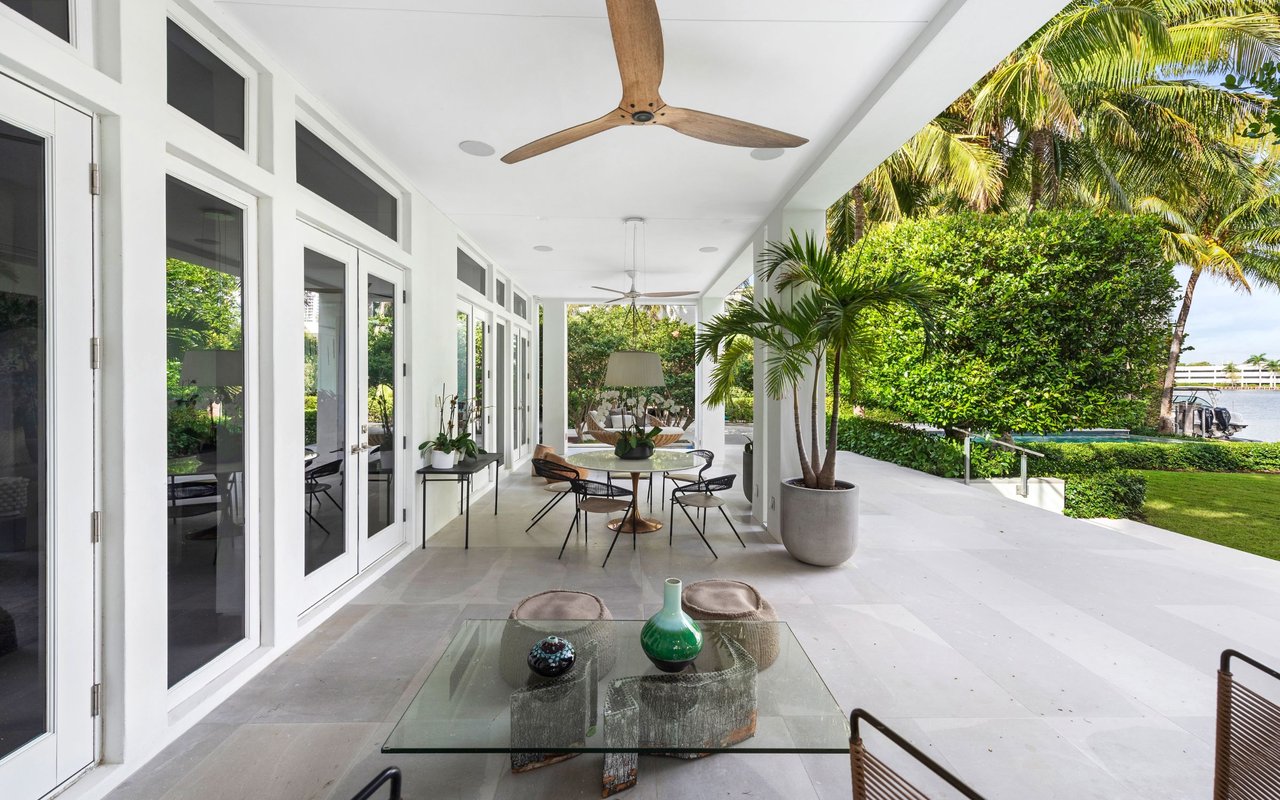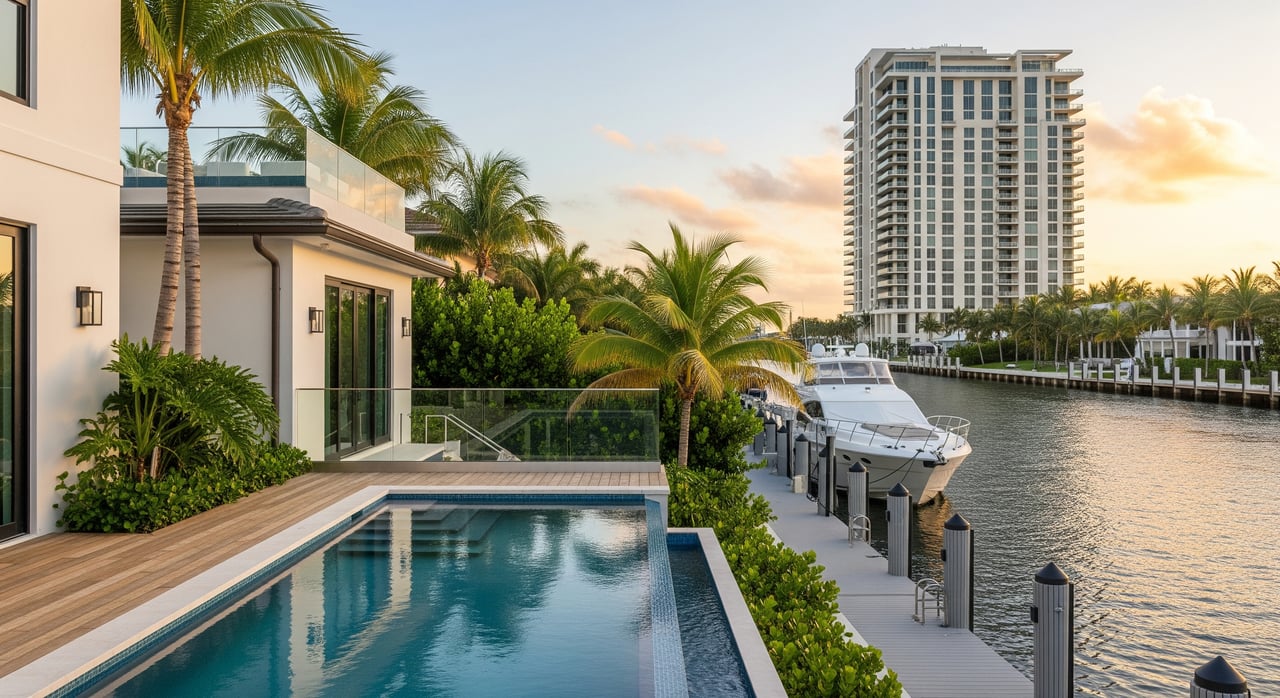
Are you torn between a lock-and-leave condo by the beach and a private waterfront home with room for the boat and backyard gatherings? If you are relocating or planning a second home in Fort Lauderdale, the choice shapes your daily routine, budget, and long-term flexibility. In this guide, you will compare lifestyle, rules and fees, dockage and permitting, insurance and flood risk, and get a clear framework to decide. Let’s dive in.
Fort Lauderdale market context
Fort Lauderdale’s canals, Intracoastal access, and beach proximity drive value. Properties with direct waterfront or deepwater access often trade at a premium compared with inland options. That premium reflects boating convenience, views, and limited supply.
Relocating families tend to prioritize bedrooms, a yard, parking, and privacy, which often points to single-family homes. Second-home buyers and boaters often lean toward condos for low maintenance, security, and amenities, especially along the beach or near marinas. Financing is also different: condo projects must meet lender approval standards, while single-family homes are typically more straightforward to finance. If you plan to homestead, Broward County offers exemptions and potential tax savings that can apply to either property type; verify eligibility with the Property Appraiser.
Lifestyle tradeoffs
Space and privacy
- Single-family homes offer detached living, a private yard, the option to add a pool, and more separation from neighbors.
- Condos offer private balconies and shared amenities, but you share walls, floors, or ceilings and common areas.
Amenities and convenience
- Many condos include security, concierge, pool, gym, landscaping, and building maintenance, which reduce daily chores for a second home.
- Single-family owners handle roof, yard, pool, and exterior upkeep, and can choose vendors and schedules.
Pets, parking, and rentals
- Condos often set rules for pets, guest parking, behavior, and minimum rental terms, which matter if you plan to rent seasonally.
- Single-family homes generally have fewer external restrictions, though local zoning and any HOA rules still apply.
Walkability and city vibe
- Beachfront and downtown condo corridors are often more walkable to dining and services.
- Single-family neighborhoods can feel more suburban and car dependent.
Family needs and schools
- Families often pick single-family homes for yard space and long-term comfort. School zoning is neighborhood specific, so verify boundaries before you buy.
Rules, fees, and financial exposure
Who maintains what
- Condo associations typically maintain the exterior, roof, common systems, elevators, parking structures, pools, and landscaping. You maintain your interior finishes and personal property.
- Single-family owners are responsible for the entire structure and site, including roof, yard, pool, driveway, and any flood or drainage measures on the lot.
Governance and compliance
- Condominiums follow Florida Statutes Chapter 718 and each association’s governing documents. Homeowners’ associations follow Chapter 720.
- After the 2021 Surfside collapse, Florida increased oversight of condo inspections, reserves, and safety reporting. Buyers and lenders now scrutinize reserve funding, structural reports, and disclosure compliance.
Fees, reserves, and assessments
- Coastal and high-rise condo fees can be substantial because they fund building insurance, security, elevators, pools, common-area HVAC, and reserves. Fee levels vary by building and amenities.
- Associations can levy special assessments for major work, such as structural repairs, seawalls, or roof replacements. Review the budget, reserve study, recent financials, meeting minutes, and any planned projects.
- Single-family owners avoid association assessments, but you should budget for episodic big-ticket items like roof replacement, HVAC, and any seawall or dock work if waterfront.
Rental and resale considerations
- Many condos restrict short-term rentals and cap rental percentages, which affects income potential and resale. Confirm rules in writing before you buy.
- Financing a condo can be harder in buildings with weak reserves or litigation, which can reduce the buyer pool. Single-family homes are generally simpler to finance if insurance is available.
Waterfront, docks, and permitting
Access types
- Private dock on your property, most common with single-family waterfront and some low-rise condo communities.
- Association or community docks with assigned or rentable slips for condo residents.
- Nearby marinas with leased slips, common throughout Fort Lauderdale.
Permits and approvals
- Dock, seawall, and boat lift work often requires permits from multiple agencies, including Broward County, the City of Fort Lauderdale, the Florida Department of Environmental Protection, and the U.S. Army Corps of Engineers for navigable waters.
- Lot-line setbacks, canal widths, and environmental constraints can limit dock size and configuration. Not every waterfront lot can support the dock you want.
Seawalls and elevation
- Seawall condition and elevation are critical in a tidal city. Many buyers request a current seawall inspection or engineering report. Replacement or reinforcement can be costly and must comply with local codes.
Boating constraints to verify
- Fixed-bridge clearances, canal depths, and distance to the Intracoastal Waterway shape real usability for your boat size.
- Condo docks may have waitlists, slip fees, or vessel-size limits. Confirm policies and availability.
Maintenance realities
- Saltwater, sun, and storms accelerate wear on docks, lifts, and hardware. Routine service is part of ownership, and post-storm repairs can be significant.
Insurance, flood risk, and resilience
Coverage basics
- Condo buildings carry a master policy for common elements. Unitowners typically carry an HO-6 policy for interiors and personal property, and may add loss assessment coverage in case the association’s deductible results in a unitowner charge.
- Single-family owners generally carry an HO-3 homeowner policy for the structure and contents. Flood insurance is separate for both condos and single-family homes.
Flood zones and lender rules
- Lenders usually require flood insurance for properties in FEMA Special Flood Hazard Areas, such as Zones AE or VE. Parts of Fort Lauderdale experience tidal or king tide flooding, so always check the flood map and any available elevation certificate.
Wind and hurricane exposure
- This is a high-wind coastal market. Newer construction may meet stronger code requirements, while older buildings can be more vulnerable. Named storm deductibles and higher premiums are common in coastal zones.
- Citizens Property Insurance can serve as an insurer of last resort if private options are limited, subject to eligibility.
Mitigation and potential discounts
- Impact windows and doors, approved shutters, reinforced roof-to-wall connections, elevated construction, and robust garage doors are common mitigation measures.
- In condos, exterior upgrades often require association approval. For single-family homes, you control the scope and pace of improvements.
Climate and long-term outlook
- Fort Lauderdale and Broward County continue to plan for sea-level rise and stormwater improvements. Infrastructure projects and neighborhood-level resilience efforts can influence future maintenance costs, risk, and insurability.
Decision framework: choose with clarity
Ask yourself:
- Lifestyle: Do you want low-maintenance living with amenities, or a private yard and space to personalize?
- Boating: Do you need a private dock and deepwater access, or would an association dock or marina slip work?
- Governance: Are you comfortable with rules, fees, and shared decision-making, or do you prefer full control and responsibility?
- Financial profile: Do you want predictable pooled maintenance, or are you ready for occasional large expenses that you control?
- Insurance and risk: Can you secure acceptable wind and flood coverage, and are you comfortable with deductibles and potential assessments?
- Resale and financing: Is the condo association financially sound and lender friendly, and would any restrictions affect your exit?
Practical buyer checklist
Market and neighborhood
- Review recent neighborhood sales and seasonal rental trends.
- Verify school zones and commute patterns if relevant to your household.
If you are buying a condo
- Request association documents: budget, reserve study, recent financials, insurance certificates, meeting minutes, governing documents, delinquency rate, litigation status, and rental policy.
- Confirm recent structural inspections and any planned capital projects or special assessments.
- Ask about parking, guest policies, pet rules, and short-term rental restrictions.
- Verify lender approval status for the building for your loan type.
If you are buying a single-family waterfront home
- Obtain a current survey that confirms property lines and riparian rights, plus any easements.
- Verify seawall and dock condition with an engineer or qualified marine inspector, and request any prior permits and maintenance records.
- Confirm dock size limits, boat lift viability, bridge clearances, and whether submerged land leases apply.
Insurance and risk
- Secure competitive quotes for wind and flood coverage and review named storm deductibles.
- For condos, review the association’s master policy limits and deductibles and consider loss assessment coverage.
- Check the FEMA flood zone and ask for an elevation certificate if available.
Inspections and due diligence
- For single-family: full home, roof, electrical, HVAC, plumbing, and any pool inspections; consider a structural review of the seawall and dock.
- For condos: inspect the unit interior and review building-level reports for roof, elevators, garage, and structural systems.
Financing and taxes
- Confirm your financing path early and address any project-level condo underwriting questions.
- Review property tax history and confirm homestead and portability options if you plan to make it your primary residence.
Long-term resilience
- Ask about neighborhood drainage, planned public works, and any local resilience or seawall elevation initiatives that may affect costs or access.
Which option fits common profiles?
- You want simplicity and services: A condo with security, amenities, and on-site management can be ideal for a second home or a travel-heavy lifestyle.
- You want control and privacy: A single-family home offers autonomy, room to grow, and outdoor space for gatherings and pets.
- You are a boater with a larger vessel: A single-family lot with a private dock and favorable bridge clearances often delivers the most flexibility.
- You plan seasonal renting: A condo can work if building rules and minimum lease terms align with your plan; verify policies before you buy.
Next steps
Your best choice depends on how you live, how you boat, and how you manage risk and cost. If you want a curated shortlist matched to your lifestyle, boat size, and insurance profile, request a private consult. We will review association health for condos, seawalls and dock feasibility for single-family, and connect you with the right inspectors and insurance resources.
Ready to compare the right homes and buildings with confidence? Schedule a private consultation with Santiago Ferreira.
FAQs
What drives condo fees in Fort Lauderdale beachfront buildings?
- Coastal insurance, reserves for structural items, elevator and garage maintenance, security and staffing, pools, and common-area systems often drive higher fees.
Why are some older condos harder to finance?
- Lenders review project reserves, structural reports, litigation, and owner-occupancy rates; undercapitalized or noncompliant associations can limit loan options and raise rates.
Do I need flood insurance for a Fort Lauderdale property?
- If the home or condo is in a FEMA Special Flood Hazard Area and you have a mortgage, lenders generally require flood insurance; many buyers choose coverage even outside SFHAs.
Can every waterfront lot have a private dock?
- No, setbacks, canal width, environmental constraints, and permitting limits can restrict dock size or feasibility; always verify with local agencies and qualified marine professionals.
Can I rent my Fort Lauderdale condo short term?
- It depends on building rules and local ordinances; many associations set minimum lease terms or limit the percentage of rented units, so confirm policies in writing before purchase.