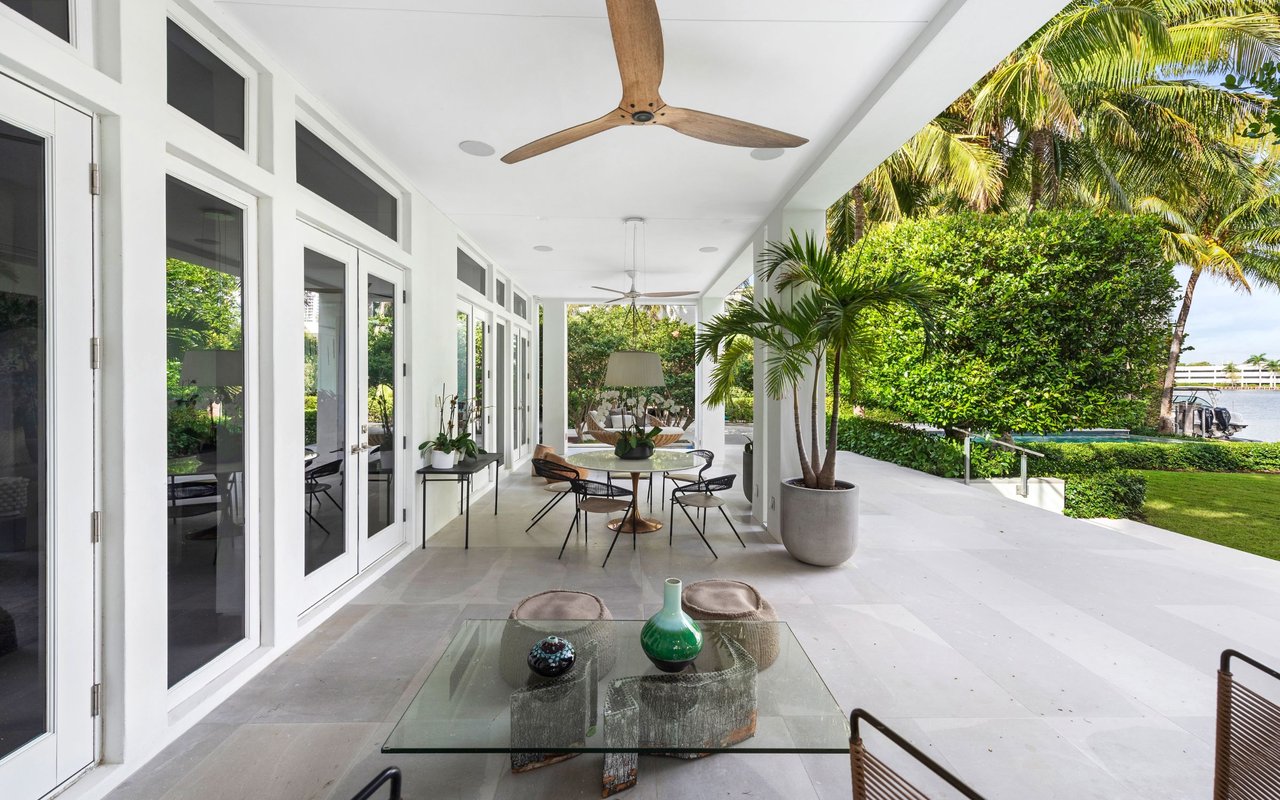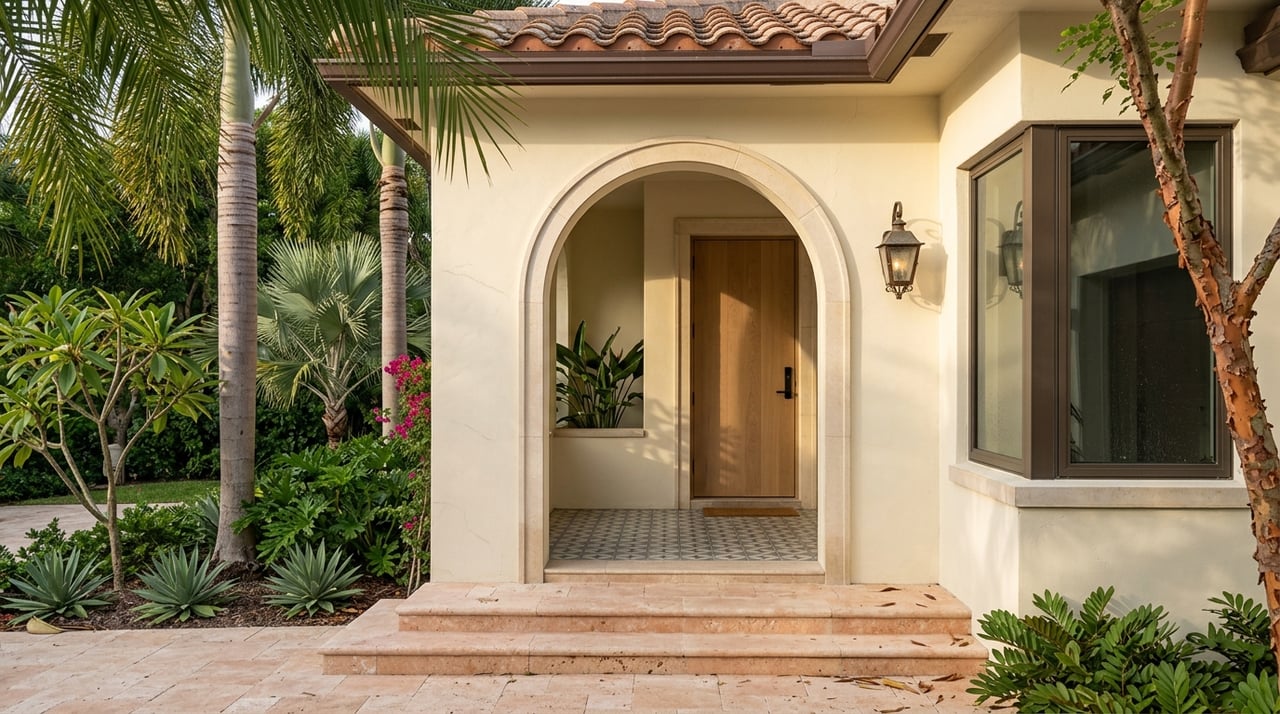
Choosing between a historic home and a new build in Coral Gables is not as simple as picking charm over convenience. In this market, both options come with real advantages, and both are shaped by a city that takes architecture, streetscape, and long-term character seriously. If you are weighing lifestyle, renovation tolerance, design priorities, and future resale appeal, this guide will help you compare the tradeoffs with more clarity. Let’s dive in.
Why this choice matters in Coral Gables
Coral Gables is not a place where homes exist in isolation. The city was intentionally planned around a distinct identity, and it says more than 1,000 properties are on the Coral Gables Register of Historic Places. That legacy still shows up in landmarks, neighborhood patterns, and the city’s design expectations.
For you as a buyer, that means the decision is not simply old versus new. Even new construction is expected to fit an established architectural setting. Coral Gables reinforces that through its single-family design guidance and Board of Architects review process.
What makes historic homes appealing
Historic homes in Coral Gables often offer details that are hard to replicate. You may find original materials, mature landscaping, and a streetscape that feels closely tied to the city’s early history. For many buyers, that sense of time and place is a major part of the appeal.
The city’s preservation framework also looks beyond age alone. Historic significance can include location, design, setting, materials, workmanship, association, and overall feeling. In practical terms, that means a home’s value to the city’s character may come from how it contributes to the broader environment, not just when it was built.
Architectural styles you may see
Coral Gables includes a wide mix of historic architecture. Styles noted by the city include Mediterranean Revival, coral rock, Depression Moderne, and wood-frame vernacular buildings.
The city also preserves themed village patterns, including Dutch South African, Chinese, French Normandy, French Country, French City, and Italian Village. If you are drawn to a home with a distinct visual identity, Coral Gables offers a depth of architectural variety that few South Florida markets can match.
What historic ownership can require
If a property is locally designated or located within a historic district, exterior work usually requires city review before a building permit can be issued. Coral Gables requires a Certificate of Appropriateness for most exterior work in these cases.
For more substantial changes, a Special Certificate of Appropriateness may apply. This can include demolition, removal, reconstruction, alteration, or new construction on designated sites or within historic districts. If you are planning to update a façade, rework openings, or make structural exterior changes, these approvals matter early in your planning.
Parcel-level review is important
One point buyers sometimes miss is that district rules can affect more than individually famous homes. A historic district may include non-contributing buildings that still support the district’s overall visual character.
That means your due diligence should focus on the specific parcel, not just the home’s reputation. A property may look flexible at first glance, but its location inside a district can still shape what you can and cannot do.
Historic home tradeoffs to think through
Owning a historic home can be deeply rewarding, but it is usually best for buyers who are comfortable with a more hands-on process. You may need to coordinate approvals, review permit history, and budget for thoughtful modernization.
The upside is that you are buying into a setting with lasting identity. The tradeoff is that renovations can require more planning than they would in a typical non-historic property.
Renovation and maintenance considerations
Older homes often need updated systems, even when the architecture is exceptional. Depending on the property, you may want to evaluate windows, shutters, roofing, HVAC, insulation, weatherproofing, and water-heating systems.
Coral Gables also notes that older homes can have passive benefits. Thick original exterior walls may support passive energy efficiency, which is worth considering when looking at comfort and operating costs.
Tax and incentive nuance
Historic designation does not automatically raise assessed property taxes solely because of the designation. That is an important distinction if you are concerned that historic status itself creates an automatic tax penalty.
The city also notes that approved improvements may qualify for local tax incentives. In addition, Miami-Dade administers a historic-preservation ad valorem tax exemption intended to encourage rehabilitation and maintenance of historic structures, with qualifying projects generally involving restoration or rehabilitation.
Where new builds tend to win
New builds usually appeal to buyers who want a more turnkey experience. If your priority is modern systems, current materials, and a cleaner path to resilience and efficiency upgrades, newer construction can be attractive.
In a market like Coral Gables, this may also mean less immediate retrofit work after closing. For buyers with limited time or a preference for predictability, that convenience can carry real value.
Modern efficiency and resilience
Coral Gables’ PACE program highlights the kinds of improvements many buyers prioritize today. Eligible uses listed by the city include solar panels, hurricane windows and shutters, roof strengthening measures, HVAC, water heaters, weatherproofing, insulation, and related upgrades.
That does not mean every new build automatically includes all of these features. It does mean that efficiency and storm-readiness are central to the way many buyers evaluate newer homes in this market.
Why new construction is still regulated
A new home in Coral Gables is not a blank canvas. The Board of Architects reviews new residences and other development applications for compatibility in areas such as color, materials, fenestration, proportion, and overall design order.
The board can deny designs that do not meet the city’s standards. The city’s guidance says these rules are meant to preserve community character, property values, and quality of life, so even newly built homes are expected to contribute to a broader architectural language.
Site planning matters too
The city’s single-family guidance says typical homes are limited to two stories and about 25 feet in height. In lower-lying areas, finished floors may need elevation and FEMA compliance can become part of the design process.
Tree impacts also matter. Coral Gables requires a tree survey and tree-protection plan for Board of Architects submissions and for demolition permits, which reinforces how context-sensitive even new projects can be.
Historic homes vs. new builds at a glance
If you are deciding between the two, it helps to frame the choice around how you want to live and how much complexity you are willing to manage.
| Factor | Historic Home | New Build |
|---|---|---|
| Character | Strong architectural identity and original details | Fresh design with modern finishes |
| Process | Often more review for exterior changes | Still subject to design review and compatibility standards |
| Updates | May require modernization or phased improvements | Usually more turnkey from day one |
| Efficiency | Can have passive benefits but may need retrofits | Often better positioned for current systems and resilience |
| Flexibility | Changes may require approvals tied to designation or district rules | Design flexibility exists, but within city standards |
Due diligence questions for a historic home
If you are considering a historic property, ask focused questions early. The goal is to understand not just the beauty of the home, but the approval path and future obligations tied to ownership.
Here are a few smart starting points:
- Is the property locally designated, in a local historic district, or both?
- What exterior work has already been approved?
- What future work would require a Certificate of Appropriateness or Special Certificate of Appropriateness?
- Are there prior variances, permit records, or signs of deferred maintenance?
- If improvements are planned, could they qualify for a historic tax incentive?
Due diligence questions for a new build
With new construction, your questions should focus on design compliance, site conditions, and what is truly included. A polished finish package is only part of the picture.
Consider asking:
- How much Board of Architects review did the design trigger?
- Are setbacks, height, roof form, and tree impacts aligned with Coral Gables guidance?
- Is flood elevation already part of the design, especially in lower-lying areas?
- Are hurricane-protection and energy-efficiency features already built in?
- Will any upgrades likely require additional spending after closing?
How to think about resale
Resale in Coral Gables often comes back to fit and stewardship. The city’s own planning language ties its single-family rules to preserving distinctive character while safeguarding property values.
That suggests a practical framework for buyers. A well-maintained historic home with documented approvals can remain very appealing, and a well-designed new build can also compete strongly when it feels compatible with the city’s architectural context. It is not a guarantee of future pricing, but it is a useful lens for evaluating long-term marketability.
Which option fits you best?
A historic home may be the better fit if you value character, original craftsmanship, and a deeper connection to Coral Gables’ identity. It often suits buyers who are comfortable with review processes and who see renovation as part of the ownership experience.
A new build may be the better fit if you want convenience, current systems, and a more turnkey lifestyle. It often works well for buyers who prefer modern performance and a simplified move-in timeline.
In Coral Gables, though, the most important takeaway is this: both paths are shaped by the same preservation-minded culture. Whether you buy a coral-rock classic or a newly built residence, success usually comes from understanding how the property fits the city as a whole.
If you want a discreet, strategy-first perspective on Coral Gables homes, from architectural fit to due diligence and long-term positioning, Santiago Ferreira can help you evaluate the right opportunity with clarity.
FAQs
What is the main difference between historic homes and new builds in Coral Gables?
- Historic homes usually offer more original character and a closer link to the city’s architectural heritage, while new builds typically offer a more turnkey experience with current systems and modern resilience features.
What approvals should you expect for a historic home in Coral Gables?
- If the property is locally designated or in a historic district, most exterior work requires a Certificate of Appropriateness before a building permit can be issued, and major changes may require a Special Certificate of Appropriateness.
Are new homes in Coral Gables easier to modify than historic homes?
- New homes can be more flexible in some ways, but they are still subject to Board of Architects review and city standards for compatibility, materials, proportion, site planning, and overall design.
Can historic designation affect property taxes in Coral Gables?
- Historic designation does not automatically increase assessed property taxes solely because of the designation, and some approved improvements may qualify for local incentives or a Miami-Dade historic-preservation tax exemption.
What should you check before buying a new build in Coral Gables?
- You should review design approvals, height and setback compliance, tree-impact requirements, flood-elevation planning in lower-lying areas, and whether efficiency and hurricane-protection features are already built into the home.