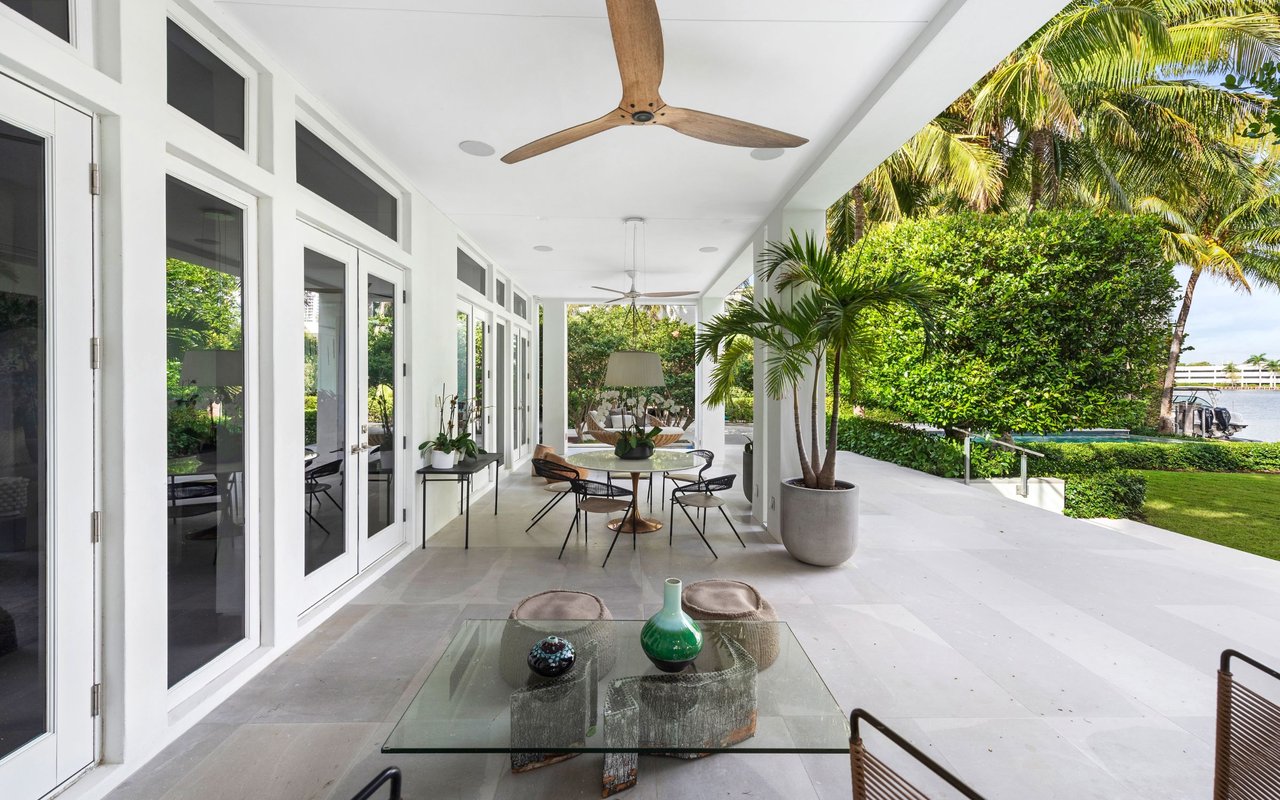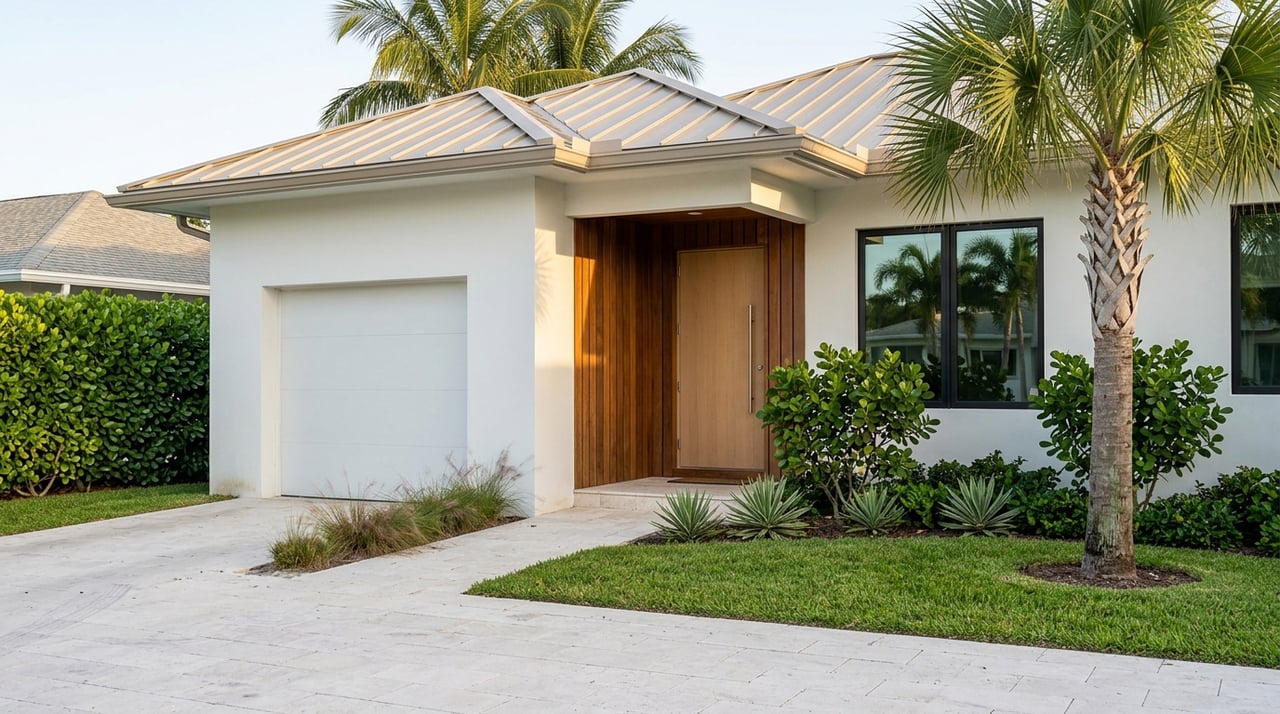
Trying to choose between a brand-new home and a resale in Edgewater? You are not alone. In a city where you can find newer subdivisions, established neighborhoods, and older homes near the water, the right choice often depends on more than finishes or price alone. If you are weighing lifestyle, timeline, maintenance, HOA structure, and flood considerations, this guide will help you compare your options with more clarity. Let’s dive in.
Why Edgewater Feels Different
Edgewater is not a one-note housing market. As a growing riverfront community along the Indian River and Mosquito Lagoon, it offers boating, paddling, trails, and other coastal amenities that shape how people live and how they evaluate property ownership. The city highlights this waterfront setting as a core part of daily life, which also means water access and flood exposure are practical parts of the home search, not side issues. You can learn more from the City of Edgewater’s community overview.
The city’s housing profile also helps explain why both new construction and resale remain relevant. According to U.S. Census QuickFacts for Edgewater, the population reached 24,334 in 2024, with a high owner-occupied housing rate and a notable share of older residents. In practical terms, that supports demand for both lower-maintenance homes and established neighborhoods with long-term ownership patterns.
Edgewater’s housing stock spans multiple eras. Homes.com’s local guide notes a median year built of 1987 and a median lot size of 10,018 square feet, while also describing late-20th-century subdivisions west of U.S. Route 1 and older homes near the river. That range gives buyers a real choice between turnkey new builds and homes with more established setting and character.
What New Construction Offers
New construction is an active part of the Edgewater market, not just a future possibility. The city’s development report lists 2025 certificates of occupancy for homes and townhomes in communities including Edgewater Preserve, Rivers Edge, Riverfront Estates, Oak Leaf Preserve, Elegant Manor, Sandalwood, and Florida Shores. The city also points to longer-range planned projects, showing that additional supply is still moving through the pipeline.
For many buyers, the main appeal of new construction is simplicity. A newly built home may offer open-concept layouts, contemporary finishes, lower near-term maintenance, and builder warranty coverage. In at least one current Edgewater community, D.R. Horton’s Rivers Edge, the marketing emphasizes modern design and energy efficiency.
Some new homes may also include features that appeal to buyers who want a more structured community setup. A sample Rivers Edge listing referenced in the research notes includes block and stucco construction, irrigation, a garage, deed restrictions, sidewalks, a community pool, and an HOA fee. Those details are community-specific, not universal, but they reflect the type of package buyers may encounter in Edgewater’s newer neighborhoods.
Another point in favor of new construction is code era. The Florida Building Commission updates the Florida Building Code every three years, so newer homes are more likely to reflect more recent code cycles. That does not automatically mean a home is better built, but it can affect materials, standards, and buyer expectations.
New Construction Tradeoffs
The biggest tradeoff with new construction is often timing. In Edgewater, the city’s residential process includes permits, inspections, water and wastewater applications, floodplain review, and certificates of occupancy. The city’s building guidance makes it clear that buying new can involve more steps and more waiting than a typical resale transaction.
You should also look closely at what is included in the base price. Model-home finishes, upgraded lots, premium elevations, and optional features can change the true cost of a new-build purchase. If you are comparing new construction to resale, make sure you are measuring the final cost rather than the headline starting price.
HOA structure is another key variable. Some newer communities include monthly fees, deed restrictions, and shared amenities. Before you move forward, review the exact rules, fees, and maintenance obligations tied to the specific property, because they can vary from one subdivision to another.
What Resale Homes Offer
Resale homes in Edgewater often appeal to buyers who want an established setting. In neighborhoods such as Florida Shores, buyers may find mature landscaping, a more settled street layout, and a different lot feel than what is common in newer subdivisions. According to the Homes.com Florida Shores guide, the neighborhood developed before HOAs were common and has a volunteer neighborhood association rather than the mandatory structure often seen in newer communities.
Resale also gives you a wider spread of home styles, ages, and locations. The broader Edgewater neighborhood guide notes that some of the city’s oldest homes are near the Indian River, while newer homes have also been added in recent years. That means resale does not always mean old, and new does not always mean the only turnkey option.
Lot size can also be part of the equation. With a local median lot size above 10,000 square feet cited in the guide, some established areas may offer more yard space or a less uniform streetscape than newer developments. For buyers who prioritize outdoor space, boat storage flexibility, or a less standardized neighborhood layout, resale may be the better fit.
Resale Tradeoffs to Review
The main tradeoff with resale is condition and system age. When you buy an existing home in Edgewater, you should pay close attention to roof age, HVAC, windows, plumbing, electrical, drainage, and any prior storm or flood repairs. Those items matter in any market, but they carry extra weight in a coastal setting.
Flood exposure is especially important. The City of Edgewater flood hazard page explains that flood risk can vary by property, even within the same neighborhood, and notes that areas along the Indian River Lagoon are more susceptible to river flooding and storm surge. That means two homes with similar price points and appeal may carry very different insurance and risk profiles.
You should also verify documentation early. Ask whether permits were pulled for additions or repairs, whether flood-related records are available, and whether the seller can provide elevation or insurance information where relevant. In Edgewater, these questions should be part of your first review, not an afterthought late in the process.
Flood and Insurance Matter Early
In Edgewater, flood due diligence should happen at the start of your search. The city states that it includes several flood zones, including AE and VE areas, and that it retains elevation certificates for finished construction in special flood hazard areas. If a property is in or near a mapped flood area, you will want to review the flood zone, ask about elevation documentation, and obtain an insurance quote as early as possible.
This applies to both new construction and resale. A newer home may reflect a more recent code cycle, but that does not remove the need to understand the site, floodplain status, or insurance implications. A resale home may offer a more established location, but the flood profile and documentation should still drive part of your decision.
In other words, the Edgewater comparison is not just new versus old. It is also location versus process, convenience versus customization, and character versus maintenance planning.
HOA and Lifestyle Questions
HOA setup can shape your monthly costs and your day-to-day ownership experience. Some newer Edgewater communities include amenities such as sidewalks or a pool, while older neighborhoods may have no mandatory HOA at all. The research notes show that structures vary widely, so you should review the exact documents tied to the property you are considering.
When you compare homes, ask simple but important questions:
- What fees apply each month or year?
- What do those fees cover?
- Are there deed restrictions?
- Is there a master association?
- Are there any pending assessments?
These details can affect both affordability and lifestyle. A lower-maintenance setup may be attractive, but only if the rules and costs fit how you want to live.
How to Choose the Better Fit
If you value turnkey living, current design, and the possibility of builder warranty coverage, new construction may be the stronger match. It can also appeal to buyers who prefer a more predictable finish package and are comfortable with a community that may include HOA fees and shared amenities.
If you value mature surroundings, varied architecture, or a larger-lot feel, resale may offer more flexibility. Established neighborhoods can provide options that are harder to replicate in a newly built subdivision, especially if you are drawn to certain streetscapes or river-adjacent settings.
The right answer often comes down to four practical filters:
- Timeline: Do you need to move quickly, or can you wait for construction and final approvals?
- Maintenance: Are you comfortable budgeting for updates and repairs, or do you prefer a newer home with fewer near-term projects?
- HOA Structure: Do you want amenities and a more managed environment, or fewer restrictions?
- Flood and Insurance: How does the specific property’s flood profile affect cost, documentation, and peace of mind?
For new construction, the Consumer Financial Protection Bureau advises buyers to make the contract contingent on financing and a satisfactory inspection, and to ask whether builder deposits are refundable and whether independent inspections are allowed. Those are smart questions in any market, and especially useful when comparing a to-be-built or newly completed home with an existing resale option.
In Edgewater, the smartest decision is usually the one that matches your ownership goals, not just your first impression. If you want help comparing specific homes, reviewing neighborhood differences, or narrowing the tradeoffs that matter most to you, Santiago Ferreira offers a discreet, strategy-first approach tailored to your priorities.
FAQs
What should buyers compare when choosing new construction or resale in Edgewater?
- Focus on timeline, maintenance needs, HOA structure, flood zone, insurance costs, and what is included in the final purchase price.
How common are HOA communities in Edgewater new construction?
- Some newer Edgewater communities include HOA fees, deed restrictions, and shared amenities, but the exact setup varies by subdivision and property.
What makes Edgewater resale homes different from new builds?
- Resale homes may offer more established surroundings, mature landscaping, varied home ages and styles, and in some cases a larger-lot feel.
Why is flood due diligence important for Edgewater homes?
- The city states that flood risk varies by property and that areas near the Indian River Lagoon can be more susceptible to river flooding, storm surge, and coastal inundation.
What should buyers ask before buying Edgewater new construction?
- Ask what is included in the base price, whether the contract is contingent on financing and inspection, whether deposits are refundable, and what HOA rules and fees apply.
What should buyers review before buying an Edgewater resale home?
- Review roof age, HVAC, windows, plumbing, electrical, drainage, prior repairs, permit history, flood documentation, and insurance information where available.