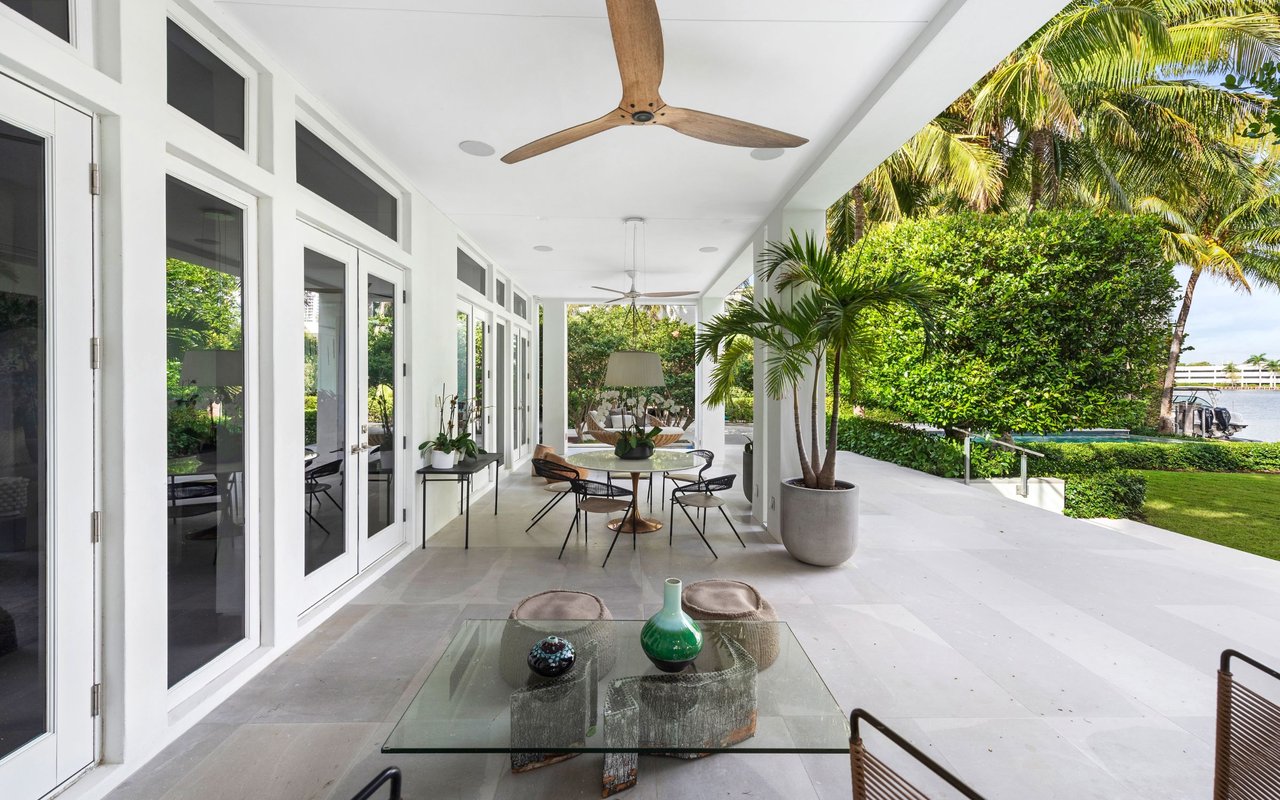
If you are considering a branded residence in Miami Beach, the logo on the building should be the beginning of your analysis, not the end. These properties can offer a polished ownership experience, strong service culture, and global name recognition, but they can also come with meaningful differences in fees, rental rules, and day-to-day use. If you know what to compare before you buy, you can make a much clearer decision with fewer surprises. Let’s dive in.
Understand what “branded” really means
A branded residence is generally a home sold on the open market that is affiliated with a recognized brand. That brand may influence design, service standards, amenities, management, and in some cases a rental program. In practice, that means two properties that both look “luxury” on paper can offer very different ownership experiences.
This category has expanded quickly. Savills reported 240 new branded residence projects in 2024, with 180% global growth over the last decade, and 79% of branded residences tied to hotel brands. For Miami Beach buyers, that matters because South Florida is already a major hub for this segment, with 42 completed branded-residence schemes in the region.
Miami also stands out because the market includes more than just hotel-affiliated towers. The local landscape spans hotel-led, design-led, fashion-led, and automotive-branded projects. That variety gives you more options, but it also makes careful comparison essential.
Compare the brand relationship
Not all brand affiliations work the same way. In some buildings, the brand is mainly licensing its name and design identity. In others, the brand also helps manage residences, amenities, and the rental program.
That distinction can affect your monthly costs, your level of service, and the long-term consistency of the experience. A well-known name may support pricing, but it does not guarantee stronger performance or easier resale on its own. Savills estimates a global branded-residence premium of about 30%, while noting that North America tends to be lower than the global average because there is already strong competing luxury inventory.
In Miami, an older Savills sample placed the premium at about 32% versus comparable non-branded product. That is useful as a benchmark, not a promise. The right question is not whether a brand adds value in theory, but whether this specific building delivers enough real benefits to justify the premium.
Look beyond the brochure
Marketing materials often spotlight the name, design team, spa, and beach access. Those details matter, but they do not tell you how the building actually functions for owners. You want to know how residents live there on a normal Tuesday, not just how the project presents itself in a launch campaign.
Savills distinguishes among co-located residences, condo-hotels, standalone branded residences, and non-hotel branded residences. Those structures can look similar in photos, yet produce very different staffing models, privacy levels, and fee stacks. Before you move forward, make sure you understand which model you are buying into.
Evaluate service levels carefully
Service is often the clearest reason buyers choose a branded residence. Base services may include concierge, access to hotel or dedicated amenities, 24/7 security, valet parking, and loyalty-program status. On-demand services can include housekeeping, in-home dining, personal shopping, childcare, pet services, and in-home spa treatments.
The key is to separate included services from available services. Some buildings package a substantial service offering into regular ownership costs, while others charge à la carte for much of the lifestyle layer. If you are comparing two residences, ask for a written breakdown of what is included and what carries an extra fee.
For many Miami Beach buyers, the real value is convenience. If you travel often, split time between cities, or want a lock-and-leave property, a stronger service platform may be worth the premium. If you will use the home more traditionally, you may decide that certain brand features are less important than layout, views, and carrying costs.
Check resident privacy and separation
In Miami Beach, branded residences can range from quiet owner-focused properties to highly active hotel environments. That difference matters more than many buyers expect. A building with residents-only lobbies, pools, or beach club spaces will often feel more private than one where owners and hotel guests share much of the same infrastructure.
This is especially important in projects tied to hospitality brands. A condo-hotel model can be appealing if you want flexible use and a more animated atmosphere. If your priority is privacy, lower foot traffic, and a more residential tone, you should look closely at how the building separates hotel and residential functions.
Miami Beach examples show how wide the range can be. Rosewood Residences Miami Beach is being marketed with oceanfront residences on a three-acre estate, an invitation-only beach club, dining, and curated amenity spaces. The Shore Club, Auberge Collection is being positioned with direct beach access, three pools, a residents’ library, gardens, a spa, and a signature restaurant, while W South Beach combines hotel accommodations with branded residential units in a condo-hotel format.
Break down the full cost structure
Sticker price is only part of the story. Branded residences often carry higher recurring costs than a standard condominium because they may support more staff, broader amenity programs, and in some cases brand-related fees. Savills’ benchmark suggests annual HOA or service charges often run around 0.5% to 2% of purchase price, depending on the location, brand, and level of service.
That does not automatically make the cost unreasonable. It does mean you should understand every layer before you buy. Ask for a detailed breakdown of:
- HOA dues
- Service charges
- Management or trademark-related fees
- Reserve funding expectations
- Capital contribution or transfer fees
- Special assessment history
- Any required FF&E obligations tied to rental participation
High fees can be justified when service quality, reserve discipline, and resident experience are strong. But excessive charges can affect future saleability, so cost should always be evaluated in relation to the actual value delivered.
Review Florida condo documents in detail
In Florida, the legal documents matter as much as the sales presentation. The condo disclosure package may include the declaration, bylaws, annual financial statement, budget, milestone-inspection summary if applicable, and the most recent structural integrity reserve study, or SIRS. Estoppel certificates can also reveal current assessments, special assessments, transfer fees, violations, and insurance contacts.
These documents help you understand how the building operates now and what costs may be building in the background. In a branded residence, where service and presentation are central to value, document quality and reserve planning deserve extra attention. A polished lobby does not tell you whether the association is funding long-term obligations appropriately.
You should also verify who maintains what. Under Florida law, the association is generally responsible for common elements unless the declaration assigns maintenance of certain limited common elements to unit owners. The declaration can also specify how certain shared costs are allocated among the owners entitled to use those elements.
Factor in Florida’s condo safety framework
Long-term cost analysis in Miami Beach should include Florida’s current condo-safety requirements. Milestone inspections are required for many condo buildings that are three habitable stories or more, generally at 30 years of age and every 10 years after that. In saltwater areas, local enforcement agencies may require inspections at 25 years.
Owner-controlled associations existing on or before July 1, 2022 had to complete a structural integrity reserve study by December 31, 2025, or by December 31, 2026 if completed with the milestone inspection. Boards must fund reserves as required and make repairs recommended by the milestone inspection or SIRS. For buyers, this means reserve discipline and deferred maintenance are no longer side issues. They are central to ownership economics.
In practical terms, an older branded tower with excellent service may still carry future cost exposure if reserve planning has been weak. A newer project may present a cleaner short-term picture, but you should still understand how reserves are being structured from the start.
Study rental rules in three layers
Rental potential is one of the biggest reasons buyers consider branded residences, especially in a global destination like Miami Beach. But this is where many buyers make costly assumptions. A branded building does not automatically allow short-term rentals, and a luxury hospitality name does not override local rules.
You need to confirm rental legality in three layers:
- City zoning and municipal requirements
- The condominium’s governing documents
- The brand’s own rental program rules
The City of Miami Beach states that vacation or short-term rentals of less than six months and one day are prohibited in many single-family homes and many multifamily buildings in certain zoning districts. Approved short-term rentals must have zoning approval, a Business Tax Receipt, and resort-tax registration. The city also requires every advertisement to display the city-issued BTR number and resort-tax certificate number, along with a recent association letter stating short-term rental is allowed for that specific unit.
Illegal short-term rental activity can trigger fines and eviction, and the city warns it may affect homestead exemption status. The takeaway is simple: in Miami Beach, rental potential is building-specific and rule-specific. You should verify the use you want before you rely on it in your purchase decision.
Understand optional vs mandatory rental programs
Even when rentals are allowed, not all branded programs work the same way. Savills notes that rental programs can be optional or mandatory. Mandatory programs often limit personal use and function more like investment structures, while optional programs may let you offset some fixed costs when you are away.
If a unit enters a managed rental scheme, an FF&E package is often required, and the hotel operator may control marketing and management. That can streamline operations, but it may also reduce your flexibility. If you are buying primarily for lifestyle use, a building with tighter rental controls may actually be a better fit because it can support privacy, security, and a more exclusive ownership environment.
Compare branded and non-branded alternatives
A strong brand can be a real advantage, but it should never be evaluated in isolation. In mature North American markets, Savills says brand premiums are often smaller because comparable luxury stock is widely available. In Miami Beach, that means you should compare a branded residence against nearby non-branded luxury options with similar waterfront exposure, service quality, design level, and amenities.
This is where disciplined local analysis matters. Sometimes the branded option clearly justifies its premium through better service, stronger privacy, or superior rental infrastructure. Other times, a non-branded property may offer comparable quality with lower carrying costs and greater flexibility.
Focus on exit liquidity
Your purchase decision should include a resale lens from the start. Brand strength may help attract attention, but future liquidity usually depends on a broader set of factors. Service quality, reserve funding, fee levels, rental flexibility, and how the building compares with newer competing product in the same submarket can all influence resale performance.
In other words, the brand opens the door, but the building’s execution sustains value. If the ownership experience slips or fees become hard to justify, even a recognized name can lose some of its advantage. That is why the best branded-residence purchases are usually made with both lifestyle fit and long-term market positioning in mind.
A practical checklist for buyers
If you want a simple framework, use this checklist when evaluating a Miami Beach branded residence:
- Clarify whether the brand is licensing, managing, or both
- Identify the project structure, such as standalone residence or condo-hotel
- Compare included services versus extra-cost services
- Confirm whether amenities are residents-only or shared with hotel guests
- Review HOA dues, service charges, reserve funding, and transfer fees
- Read the declaration, bylaws, budget, milestone summary, SIRS, and estoppel
- Verify maintenance responsibility for common and limited common elements
- Confirm rental rules through city regulations, condo documents, and brand rules
- Compare the residence against nearby non-branded luxury alternatives
- Consider future resale liquidity, not just launch appeal
A branded residence can be an excellent fit in Miami Beach, but only when the details align with how you plan to use the property. The smartest buyers look past the name, test the operating model, and measure the full ownership picture before they commit.
If you want discreet, strategy-first guidance on Miami Beach branded residences, new development opportunities, or off-market options, schedule a private consultation with Santiago Ferreira.
FAQs
What is a branded residence in Miami Beach?
- A branded residence in Miami Beach is generally a home sold on the open market that is affiliated with a recognized brand, which may influence services, amenities, management, and sometimes a rental program.
How should you compare Miami Beach branded residences?
- You should compare the brand relationship, project structure, service levels, privacy, HOA and service costs, reserve planning, rental rules, and nearby non-branded luxury alternatives.
Do Miami Beach branded residences always command a premium?
- No. Research cited in this article suggests branded residences often trade at a premium, but that premium is not guaranteed and should be judged against comparable luxury properties in the same market.
Can you do short-term rentals in a Miami Beach branded residence?
- Only if city zoning, the condominium’s governing documents, and the brand’s rental program rules all allow it for that specific building and unit.
What documents should you review before buying a Florida branded condo?
- You should review the declaration, bylaws, annual financial statement, budget, milestone-inspection summary if applicable, the most recent SIRS, and the estoppel certificate.
Why do HOA fees run higher in branded residences?
- HOA and service costs may be higher because branded residences often support more staff, broader amenity programs, and sometimes additional brand-related operating costs.