Imagine waking up to Biscayne Bay, where calm water reflects the morning light and the day starts with a stroll under a dense tree canopy. If you want a waterfront lifestyle without the intensity of Miami Beach or Brickell, Coconut Grove offers a quieter, village feel with marina life at your doorstep. In this guide, you’ll learn what day-to-day living on the water looks like, from boating access and walkability to home styles, risks, and practical steps. Let’s dive in.
Coconut Grove waterfront at a glance
Coconut Grove is one of Miami’s oldest neighborhoods and feels like a small village on the bay. Streets are pedestrian scale with shade trees, pocket parks, and plazas that open to Biscayne Bay. The water here is bayfront rather than oceanfront, which creates calmer conditions for sailing, boating, and paddle sports. You get expansive bay views with a more residential rhythm than resort corridors.
Marinas and boating access
Where you keep your boat
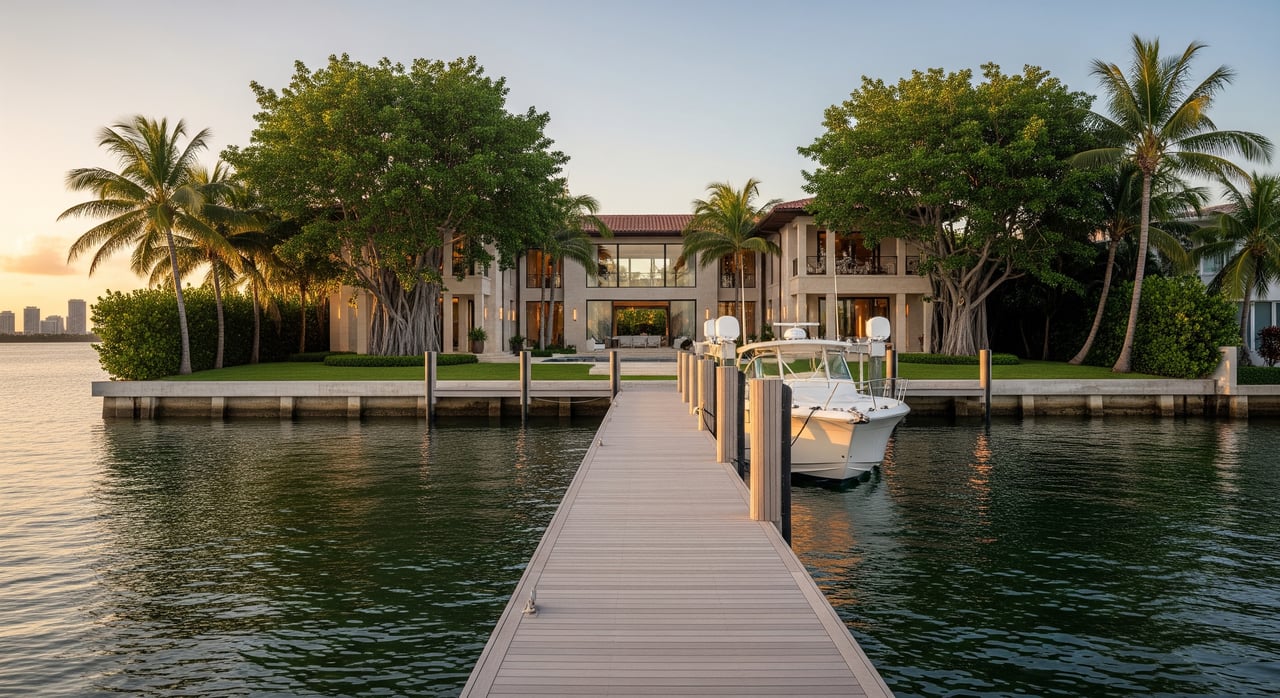
Coconut Grove is an active sailing and boating community. Dinner Key Marina is the best-known municipal marina and a hub for resident and transient boaters. You will also find smaller yacht and sailing clubs, plus private slips and deeded dockage at select condominiums and single-family homes. Typical services include wet slips, dry storage, fuel, maintenance, and guest dockage.
Typical days on the water
A common outing is a day sail on Biscayne Bay, where conditions are often steady and scenic. Boaters also run short trips offshore for fishing or cruise over to Key Biscayne via the Rickenbacker Causeway. Many residents pair morning paddles with coffee in the village or sunset cruises after work. If you plan to host visiting boats, confirm transient policies for your marina or association.
Parks and public waterfront
Public green spaces connect you to the shoreline even if you are not docking at home. Peacock Park and Regatta Park front the water and host community programming, with paths that link to small marinas and launch points. Nearby, The Barnacle Historic State Park preserves a slice of early Grove life along the bay. Vizcaya Museum & Gardens is another landmark on the water that anchors the neighborhood’s cultural identity.
Walkability, dining, and culture
The Grove’s core is notably walkable for Greater Miami. Sidewalks, shade trees, and benches make it easy to move between parks, marinas, and CocoWalk. Dining ranges from casual spots near the marinas to chef-driven restaurants tucked into garden settings. The calendar includes neighborhood festivals and the Coconut Grove Arts Festival, which brings a seasonal buzz without a heavy tourist feel.
Homes and indoor-outdoor design
Waterfront property types
You will find a mix of bayfront condominium towers and mid-rises, many with wide terraces and floor-to-ceiling glass. Single-family homes range from historic properties behind lush landscaping to contemporary estates with private seawalls and docks. Townhomes and boutique low-rise condos sit near parks and retail corridors, giving you options across settings and scales.
Indoor-outdoor living features
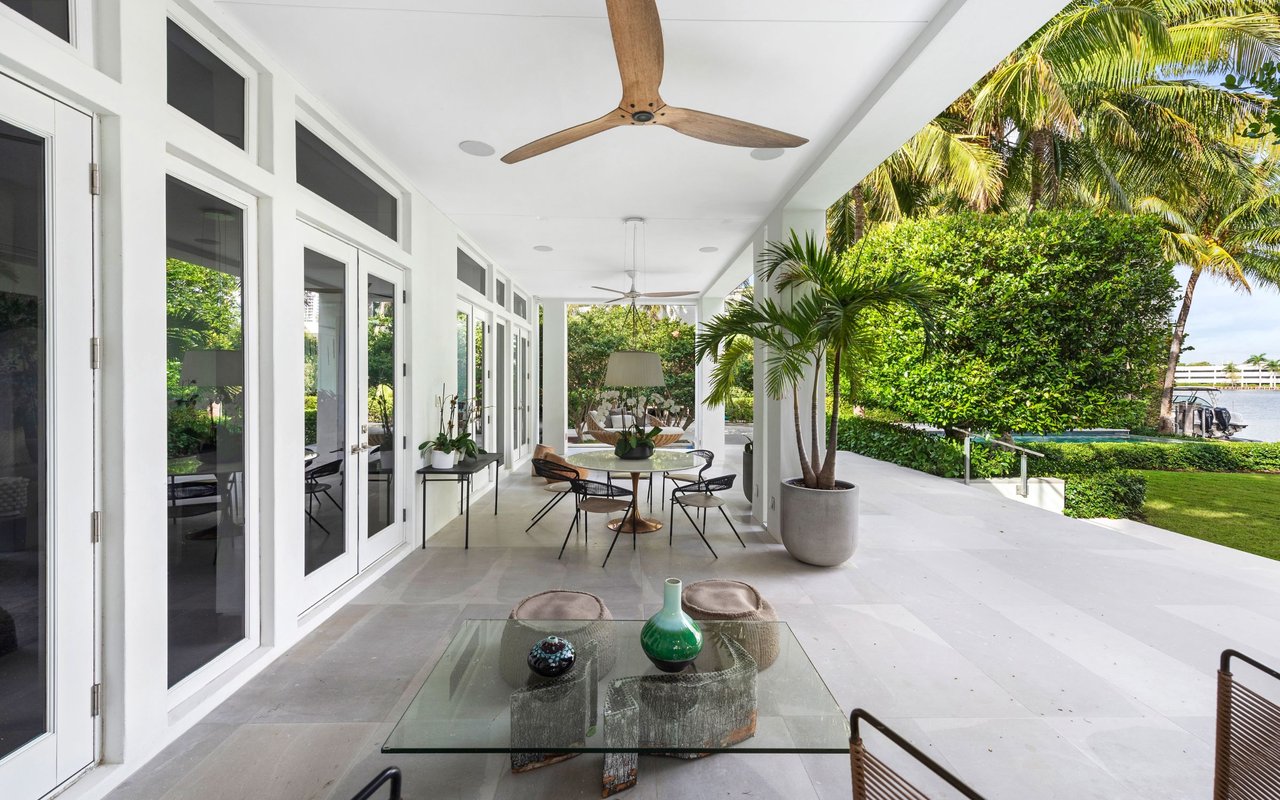
Design here embraces the subtropical climate. Deep covered terraces, folding or sliding glass walls, screened porches, and outdoor kitchens are common. Modern buildings often include hurricane-grade glazing, shutters, and expansive loggias oriented to the bay. Landscaping uses tropical planting and privacy buffers to frame views and create natural shade.
Market dynamics and value drivers
Waterfront addresses command a premium over non-waterfront properties in the Grove. Value is shaped by direct bay access, private or deeded dockage, building age and amenities, elevation, and view corridors. Inventory for top-tier waterfront can be limited, and association rules for docks, rentals, and pets can materially affect use and liquidity. When evaluating condos, factor in shared seawall or marina maintenance and the possibility of special assessments.
Practical considerations for waterfront buyers
Flooding and insurance
Coconut Grove’s Biscayne Bay edge can experience tidal flooding and is exposed to storm surge during hurricanes. Review FEMA flood maps, confirm property elevation, and evaluate seawalls, drainage, and any recent resiliency upgrades. Flood insurance can be a recurring cost through the National Flood Insurance Program or private markets, often paired with umbrella coverage. Obtain property-specific quotes early in due diligence.
Building codes and storm readiness
Miami-Dade and City of Miami standards require wind and hurricane-resistant construction. For older homes or condos, verify upgrades to windows, doors, roofing, and overall building envelope. Ask for permits and documentation of retrofits as part of your inspection process. On the water, resilience planning and ongoing adaptation efforts are active topics at the city and county levels.
Zoning, seawalls, and docks
Zoning varies by block, with lower-density single-family areas and higher-density corridors along the waterfront. If you plan to renovate, add a dock, or modify a seawall, consult local permitting early to understand restrictions and timelines. For condos, review association bylaws for dock assignments, guest boat policies, and any dredging or bulkhead obligations that impact costs.
Ongoing costs to budget
- HOA or condo fees, including reserves and potential assessments for seawall or marina work.
- Dock fees or slip leases if not deeded.
- Flood and wind insurance premiums.
- Property taxes and routine marine maintenance for vessels and lifts.
Getting around and schools
Transportation and access
Coconut Grove sits close to downtown Miami, Brickell, Coral Gables, and the Rickenbacker Causeway to Key Biscayne. Driving times are often short depending on traffic, and many residents keep a car and a boat. The neighborhood connects to the Metrorail and bus routes, which provide alternatives for commutes or events.
Schools and family services
The area includes private school options such as Ransom Everglades School and access to parks, marinas, and side streets with lighter traffic volumes. Public school assignments follow Miami-Dade County guidelines. If schools are a priority, confirm current offerings, commute times, and enrollment processes during your search.
Coconut Grove vs other waterfront areas
Brickell
Brickell is a dense financial district defined by high-rise towers and a strong nightlife scene. It offers bay views but less of a village feel. Choose Brickell for a vertical urban lifestyle, or the Grove if you want more greenery and marina culture.
Miami Beach
Miami Beach centers on oceanfront beaches, resorts, and an active tourist economy, with nightlife in South Beach and ultra-luxury pockets elsewhere. Coconut Grove is bayfront and more residential, with boating, parks, and dining at a quieter pace. Beaches are a short drive rather than at your doorstep.
Key Biscayne
Key Biscayne is an island with barrier-island beaches and a discreet residential character. It offers strong privacy but a more contained set of services due to island geography. Coconut Grove trades island seclusion for closer access to downtown and cultural venues, while keeping a marina-oriented lifestyle.
Sunny Isles and Aventura
These corridors favor oceanfront high-rises and a resort-like condominium lifestyle. The Grove balances bayfront condos with historic single-family neighborhoods and walkable village pockets. If sailing culture and leafy streets matter, the Grove is a distinct fit.
Is Coconut Grove right for you?
Choose Coconut Grove if you value a maritime village lifestyle with quick access to Biscayne Bay and a calm, residential rhythm. You can walk to parks, marinas, and neighborhood dining while staying close to Miami’s business and cultural hubs. If you prefer ocean beaches at your door or a high-rise nightlife district, consider nearby alternatives.
Buyer walkthrough checklist
- Confirm slip access: deeded dock, leased slip, or marina waitlist.
- Review flood zone, elevation certificate, seawall condition, and drainage.
- Verify hurricane upgrades: windows, doors, roof, and permits.
- Read HOA bylaws: dock policies, rental rules, pet policy, and reserves.
- Ask about seawall, bulkhead, or dredging responsibilities and assessments.
- Price out insurance: flood, wind, liability, and umbrella coverage.
- Test drive routes to work, schools, and the airport at peak hours.
Next steps
Waterfront living in Coconut Grove blends sailing culture, walkable village streets, and modern indoor-outdoor design. To navigate slip access, flood and insurance questions, and association rules with confidence, work with an advisor who combines local fluency with discreet, strategy-first counsel. For a private review of available and off-market options, schedule a conversation with Santiago Ferreira.
FAQs
What boating options exist in Coconut Grove?
- You can keep a boat at Dinner Key Marina, in private slips, or at select condo/home docks, with services like wet slips, dry storage, fuel, and transient dockage.
How walkable is Coconut Grove’s waterfront?
- Core parks, marinas, and dining areas are within comfortable walking distance for many residents, supported by sidewalks, shade trees, and village-scale streets.
What flood risks should I evaluate before buying?
- Review FEMA flood maps, confirm property elevation, inspect seawalls and drainage, and obtain flood insurance quotes to understand exposure and costs.
Are there special building requirements for waterfront homes?
- Properties must comply with Miami-Dade and City of Miami wind and hurricane-resistant codes; verify window, door, roof, and envelope upgrades with permits.
How do HOA rules affect waterfront use?
- Associations may control dock assignments, guest boat policies, rentals, pet rules, and seawall maintenance, which can impact access and future costs.
How does Coconut Grove compare to Miami Beach for waterfront living?
- Miami Beach is oceanfront with a resort and nightlife focus, while the Grove is bayfront with a quieter, boating-centered lifestyle and more residential feel.