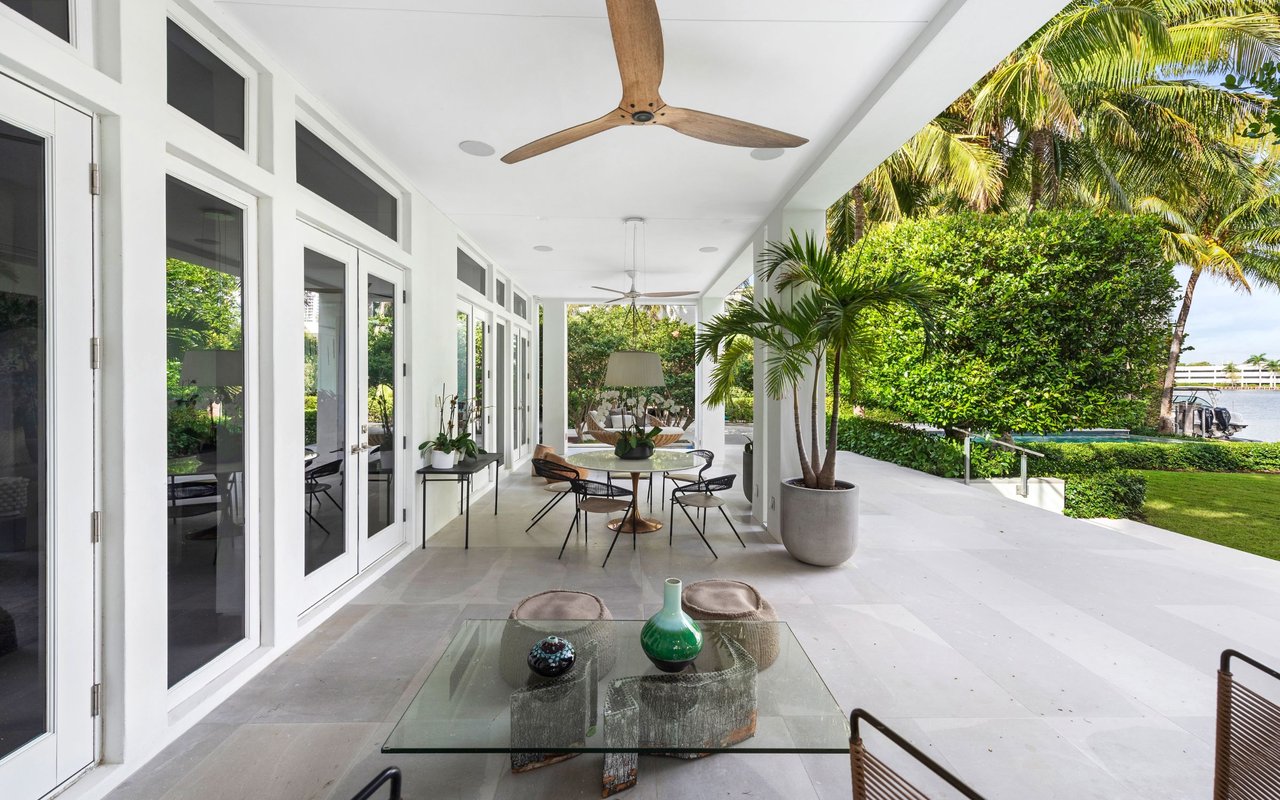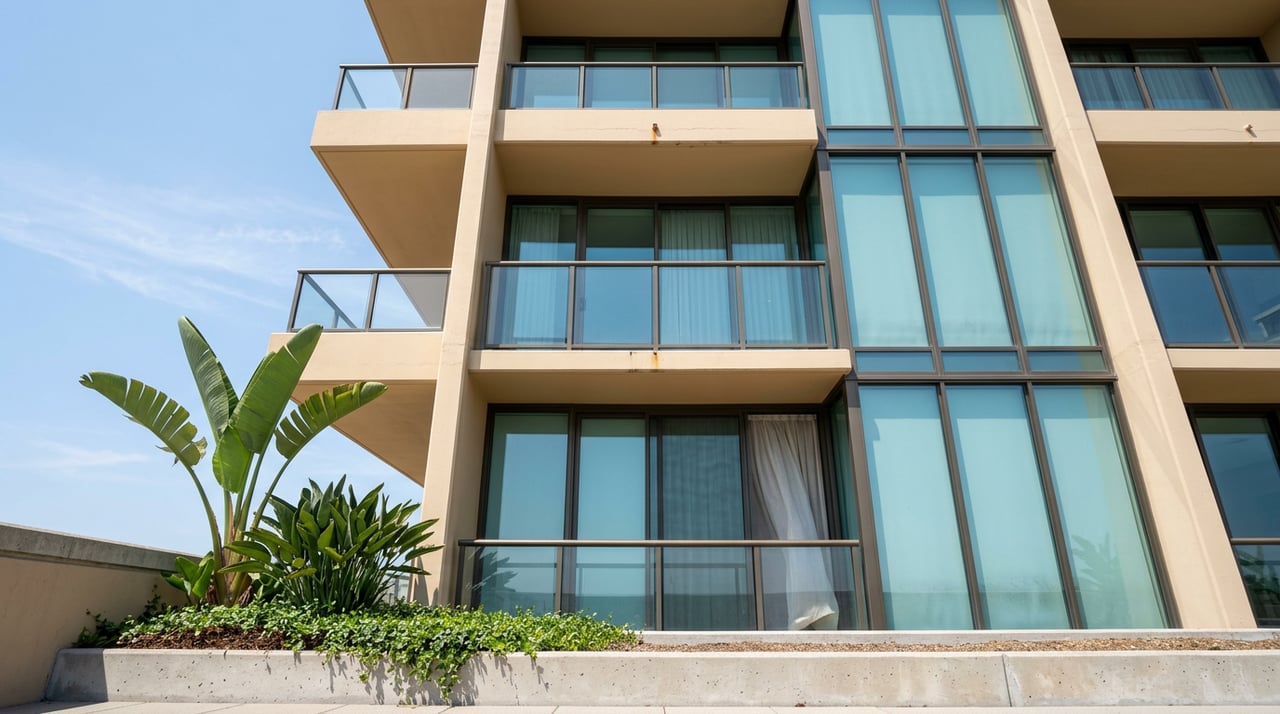
Picture two condos in Miami Beach listed within a few thousand dollars of each other. Same square footage, same two bedrooms, similar distance to the sand. One sits in a tower finished within the last decade. The other went up in the late 1970s. A buyer touring both on the same Saturday could be forgiven for treating the choice as a matter of taste, finishes versus floor plan.
It isn't. One of those buildings has already cleared its structural inspections and carries a reserve fund built to match. The other may be sitting on a five or six figure special assessment that hasn't been mailed to owners yet, or a lender that has already stopped writing conventional mortgages against it. None of that shows up in the asking price. Statewide, the second-quarter 2026 median price for townhouses and condos held flat at $310,000, the kind of number that reads like a market holding steady. What a statewide median can't show is that inside Miami Beach specifically, two buildings with nearly identical listings are no longer competing for the same buyer, because they aren't carrying the same liability.
Two clocks, one building
Since 1975, Miami-Dade County has required qualifying buildings to file a written recertification report once they reach a set age, and again every ten years after that. This isn't a new idea imported from Tallahassee. It's the county's own program, older than most of the people currently shopping for a Miami Beach unit.
Then came June 2021, when a section of Champlain Towers South collapsed in Surfside. The state responded with a law requiring mandatory milestone inspections and Structural Integrity Reserve Studies, known as SIRS, for condo and co-op buildings three stories or taller across Florida. Miami-Dade amended its own ordinance on June 1, 2022 to fold the two together, so a building's county recertification and state milestone inspection now run on a single track. For a coastal Miami Beach tower built between 1983 and 1997, that meant a recertification deadline of December 31, 2024. For anything built in 1998 or later within three miles of the coast, which is effectively all of the island, the clock starts at 25 years and repeats every decade.
The inspection was only ever half the equation. The other half is the money. Under the SIRS rules, any association whose budget was adopted on or after January 1, 2025 lost the ability to vote to waive reserve funding for eight structural categories: roof, structure, fireproofing, plumbing, electrical, waterproofing, windows and doors, and a catch-all for any related component above a statutory cost threshold. Boards that had adopted an earlier budget got one more cycle before losing that option too, and full funding became mandatory starting January 1, 2026. For a building that spent decades keeping monthly fees low by underfunding those reserves, that isn't a gradual phase-in. It's a bill arriving all at once.
What the bill actually looks like
Elsewhere in Miami-Dade, where associations have already gone through this, the numbers aren't subtle. Owners at Cricket Club in North Miami were assessed as high as $134,000 per unit once a reserve study caught up with the building's real repair needs. At Mediterranean Village in Aventura, some owners faced bills up to $400,000. Neither building failed suddenly. Both had deferred structural maintenance for years under rules that made deferring it perfectly legal, and the SIRS requirement is what forced the arithmetic into the open.
Miami Beach's older stock, much of it built through the 1960s and 1970s along Collins Avenue and the streets running toward the bay, sits in the same regulatory position those buildings occupied before their assessments landed. Reporting on the broader Miami condo market has already documented the pattern at scale: towers built between 1975 and 1995 have been the most exposed, with some combined roof, concrete, and waterproofing assessments now exceeding $100,000 per unit, and more than 1,400 Florida condo buildings currently sitting on Fannie Mae's list of properties ineligible for conventional financing.
A building can be structurally sound and still be functionally unsellable to anyone who needs a mortgage, simply because the paperwork hasn't caught up.
Based on May 2026 figures reported by Miami's Realtor association, only 21 of 2,397 condominium buildings across Miami-Dade, Broward, and Palm Beach counties carry FHA approval. That detail changes who can even bid on a unit, regardless of what the reserve study eventually finds.
The premium on the other side
The same regulatory gap explains the top of the Miami Beach market as much as the bottom. When Faena House, the Foster and Partners-designed tower on Collins Avenue, first came to market, residences priced from $2.15 million for a 1,307 square foot one-bedroom up to $50 million for its full-floor penthouse. Location and finish account for a meaningful share of that spread. Increasingly, so does what the building doesn't owe. A buyer at a newer, compliant tower isn't inheriting decades of deferred concrete and waterproofing work. That absence of liability now sits alongside the amenities as part of the price, which is one reason two units with similar square footage a few blocks apart can carry numbers that don't reconcile from the outside.
| Pre-1990s Miami Beach tower | Post-2015 Miami Beach tower | |
|---|---|---|
| Recertification status | Likely already due or approaching | Not due for another decade or more |
| Reserve funding | Often catching up after years of underfunding | Built into the original budget |
| Assessment exposure | Documented cases elsewhere in the county run into six figures per unit | Minimal for structural items |
| Financing pool | Cash buyers, portfolio lenders, buildings on restricted lists | Broader lender pool, including conventional loans |
| Where the cost shows up | Lower purchase price, less predictable carrying cost | Higher purchase price, more predictable carrying cost |
What to request before writing an offer
None of this is visible from a listing sheet or a first walkthrough. It surfaces in three documents, and asking for them at the right moment matters as much as asking at all.
- The building's most recent milestone inspection report, or written confirmation that none is required yet
- The current Structural Integrity Reserve Study, including the date the association's budget was last adopted
- A written disclosure of any current, pending, or anticipated special assessments, with per-unit dollar amounts and payment timelines
Request these before making an offer, not after going under contract. When an assessment is already on the books, standard practice in 2026 resale transactions is for the seller to cover the outstanding balance at closing, or for the price to reflect it directly. Neither happens on its own. It happens because someone asked the right question before signing anything.
The safety net is real, and it's narrow
Miami-Dade County does offer some relief through its Condominium Special Assessment Loan Program, which reopened for a one-month application window in June 2026, offering roughly $15 million in loan assistance on top of more than $55 million the county has already distributed since the program began, with priority given to residents 62 and older. That's meaningful for an owner-occupant on a fixed income facing a sudden bill. It wasn't built for investors, and this year's window has already closed. For anyone evaluating a purchase today, the program is useful context. It isn't a plan.
Frequently asked questions
Does a low HOA fee mean a building is well managed? Not automatically. A low fee can reflect an efficient association, or it can reflect a reserve fund that hasn't yet caught up to what a completed SIRS says it should be. Ask for the study and the date the current budget was adopted before treating a low fee as reassurance.
Does every Miami Beach building face this the same way? No. The rules trigger on a building's age and construction date, not its address. A tower built a decade after its neighbor can be years from its next inspection while the older building next door is already voting on assessments.
Is this only a concern for older buildings? The recertification and reserve requirements apply based on height and age, not current condition. Every qualifying building eventually reaches its inspection date. What varies is how prepared its association is when that date arrives.
For a purchase this size, the difference between a sound investment and an expensive surprise usually comes down to which documents got requested, and when. Santiago Ferreira works through a building's inspection history, reserve position, and assessment exposure before a client ever writes an offer. Schedule a private consultation to find out what a specific Miami Beach building actually owes, not just what it's asking.