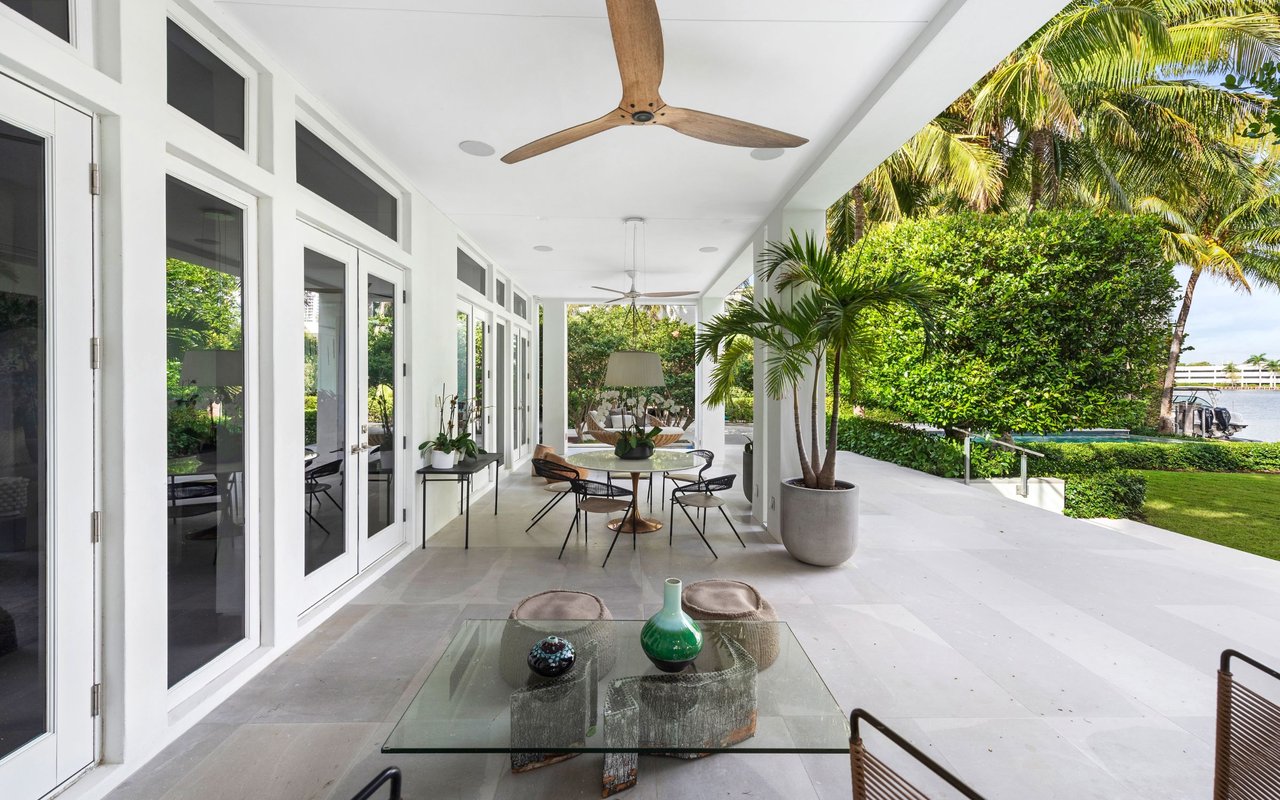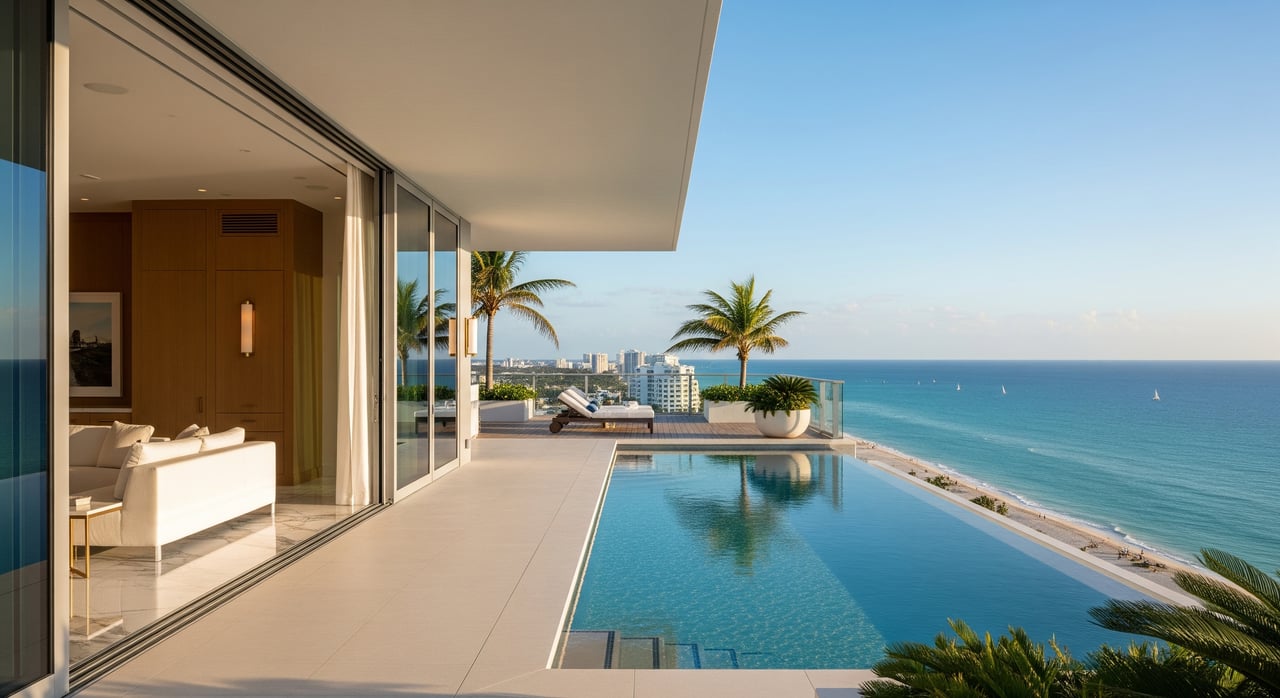
Want first choice of an ocean-facing corner before the public ever sees it? In Miami Beach, branded residences are released in stages to a small group of qualified buyers. When you understand how VIP lists work, what deposits to expect, and which paths unlock early access, you can move confidently and secure a top-tier unit. This guide gives you the exact playbook to position yourself for private previews, priority allocations, and smarter contracts. Let’s dive in.
How early access really works
Developers in Miami Beach control inventory to maximize price and momentum. Units first flow to founder and VIP buyers, then to brand-loyal clients and preferred broker networks, and finally to the broader public. Each phase often carries different pricing and upgrade options.
You earn priority by showing you are prepared and credible. That means proof of funds, a clear purchase plan, and a broker with direct relationships on branded launches. If you move early, you can often choose better floor plans, view stacks, and parking or storage positions.
Secure your place in line
- Register for the developer’s VIP list and be ready to provide proof of funds.
- Work with a preferred broker who can nominate you for limited early allocations.
- Leverage brand relationships if you own or frequent the brand’s properties.
- Attend invite-only previews and request curated pre-launch release calendars.
- Highlight prior purchases with the same developer or sister projects.
What developers release first
- Small, invitation-only batches set initial price anchors and build buzz.
- Top brokers may receive a first-look window to place pre-qualified clients.
- Brand partners and international sales desks can hold reserved blocks.
- Early buyers often get more finish options or the ability to combine units.
Deposit tiers you can expect
Early access usually comes with a structured deposit schedule. While each project is unique, you will typically see the same building blocks across Miami Beach branded residences.
- Reservation deposit: A small fee to take a residence off the market for a short window. Projects vary, yet many use amounts in the tens of thousands of dollars. Refundability can vary, so confirm terms.
- Contract deposit at signing: Often brings your total paid to about 5% to 20% of the purchase price. Funds are held in escrow per the purchase agreement.
- Construction milestone deposits: Additional payments during construction that may bring your cumulative total to roughly 15% to 50% before closing. Some schedules are front-loaded.
- Balance at closing: The remainder, paid in cash or financed, when the residence is delivered.
Refunds and escrow basics
In Florida, deposits are typically held in escrow and governed by the contract. Confirm the escrow holder, refund conditions, and remedies if the developer misses delivery timelines. Ask about any statutory rescission rights tied to the offering documents.
Terms worth negotiating
- Clear refundability windows and contingencies tied to final documents.
- Credit toward upgrades or closing costs during early rounds.
- Assignment rights if you plan to transfer your contract before closing.
- Holdbacks or escrowed sums for amenities that may deliver after closing.
Why brands command premiums
A brand premium is the extra value you pay over a comparable non-branded condo in the same area and quality tier. In global and Miami Beach reporting, premiums commonly fall in the low double digits, often around 10% to 30%. Actual outcomes vary with the brand’s strength, execution quality, location, and market conditions.
What you are paying for is usually clear:
- Brand cachet that attracts worldwide demand and a consistent standard.
- Hospitality-level services like concierge, housekeeping, and dining.
- Signature design, top-tier finishes, and curated amenities.
- Professional management that reduces operational friction.
- Potential access to rental programs where permitted.
Balance these benefits with carrying costs. Branded buildings often have higher HOA assessments due to hotel-level staffing, reserves, and brand fees. If you are investing, model net yields after all fees, not just gross projections.
Resale dynamics and liquidity
Resale performance for branded residences depends on delivery quality, operating costs, and the depth of the ultra-luxury buyer pool. Strong projects with consistent service and amenities tend to retain value better and can be more resilient in slow markets. Even so, resale liquidity is lower than mainstream condos, and price discovery can be wider during weaker cycles.
If exit optionality matters to you, review past resales where available and how the building’s brand benefits transfer to secondary owners. Confirm rental rules, subletting limits, and any brand transfer fees. High HOA dues, special assessments, or restrictive rental policies can narrow your buyer pool.
Miami Beach realities to model
Miami Beach is a global luxury market with a limited supply of beachfront product and strong domestic and international interest. It is also sensitive to interest rates, insurance costs, and local regulations. These factors directly affect carrying costs and investment returns.
- HOA and staffing: Expect higher monthly assessments in branded towers due to service standards and reserve funding.
- Insurance and resilience: Coastal insurance and flood mitigation costs can be material. Review building plans and budgets.
- Short-term rental rules: City regulations and building policies govern rental durations and registrations. Always verify current rules before underwriting income.
- Parking and storage: Confirm allocations, fees, and availability in your stack.
Due diligence checklist
Request and review these items during your preview or contract phase:
- Reservation and purchase agreements with full deposit and refund terms.
- Condominium declaration, bylaws, and the public offering statement.
- HOA budget, reserve study, and any known or pending special assessments.
- Brand management or license agreement that defines services and fees.
- Unit plans, finish schedules, and specifications for included items.
- Construction schedule, delivery date, remedies for delays, and escrow details.
- Insurance requirements and projected premiums.
- Parking and storage allocations and associated costs.
- Rental policies and any municipal compliance requirements.
- Assignment policy and fees if you plan to transfer pre-closing.
Your early-access playbook
Position yourself early with a clear, credible buyer profile and an advisor who knows Miami Beach launches.
- Prepare proof of funds and a concise purchase plan. Include any brand or developer relationships.
- Engage a broker experienced in Miami Beach branded residences. Ask about preferred network status.
- Request a curated release calendar and a private preview to understand phased pricing and inventory.
- Confirm deposit tiers, refundability windows, and assignment rights before wiring funds.
- Underwrite HOA, insurance, and rental rules as part of your total cost and return model.
- If you need cross-border or tax-aware structuring, coordinate with your legal and tax advisors early so contracts reflect the correct entity and timeline.
A thoughtful approach helps you secure a prime line at the right price while protecting your flexibility. The goal is simple: the best residence for your needs, on terms that support long-term value.
Ready to explore upcoming Miami Beach branded launches and secure an early preview? Schedule a private consultation with Santiago Ferreira to request a curated release calendar and discuss VIP pathways that fit your goals.
FAQs
What is “early access” for Miami Beach branded residences?
- It is invitation-based priority during phased releases that gives qualified buyers first choice of inventory, pricing, and finishes before any public offering.
How do deposit schedules work for pre-construction condos?
- Most projects use a reservation deposit, a contract deposit to reach about 5% to 20% paid, staged construction draws, then a balance at closing held in escrow under contract terms.
Are brand premiums worth it in Miami Beach?
- They can be when services, location, and execution align with your goals. Model the 10% to 30% premium against higher HOA and brand fees to confirm value.
What rental rules affect branded condos in Miami Beach?
- City regulations and building bylaws define minimum stays, registrations, and enforcement. Verify both sets of rules since they shape income and resale.
How can an international buyer secure VIP access remotely?
- Share proof of funds, authorize a local broker with developer ties, request a private virtual preview, and review deposit and contract terms with your legal and tax advisors before wiring funds.