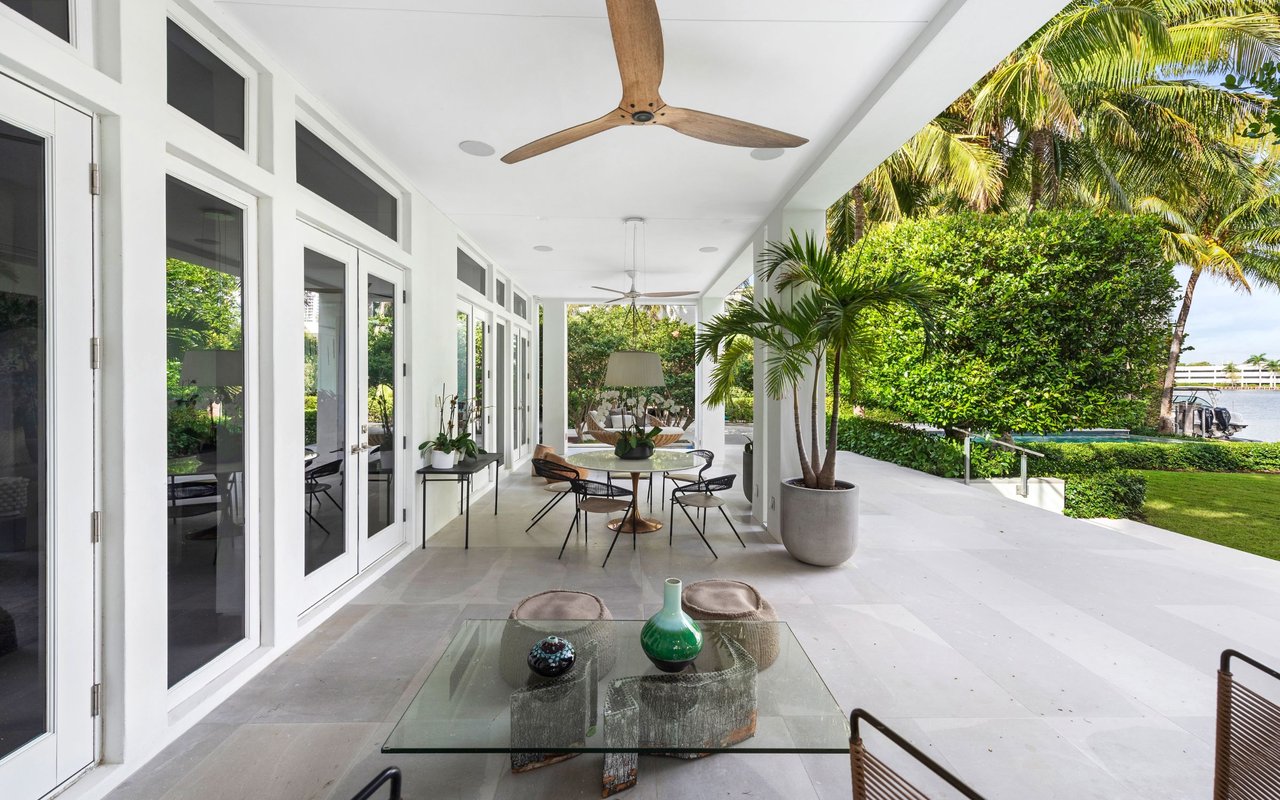
Imagine waking up to a soft Atlantic sunrise through floor‑to‑ceiling glass, coffee in hand, and the sound of waves as your morning soundtrack. You want easy access to the sand, thoughtful service, and a neighborhood that fits your rhythm. In this guide, you’ll see what a day in an oceanfront Miami Beach condo actually feels like, plus the key rules and realities that shape daily life. Let’s dive in.
Morning by the ocean
Start with light pouring in from an east‑facing balcony and a short walk to the sand. In South of Fifth, full‑service towers like the Continuum on South Beach pair that sunrise with beach attendants, on‑site concierge, and private‑style setups for chairs and umbrellas. You head down a private path, the staff handles the rest, and you settle into the day feeling like you never left a five‑star resort.
Prefer a quieter take on the morning? In North Beach, wellness‑focused residences such as Carillon Miami Wellness Resort trade buzz for calm. Think sunrise walks, guided fitness classes, and a spa menu you can book like a standing appointment. It is oceanfront living with a built‑in routine for well‑being.
Midday amenities at home
By late morning, you can move from a gym session to a spa appointment without leaving the building. Full‑service oceanfront properties often include multiple pools, staffed beach service, on‑site dining, and valet so your home feels like a boutique hotel. At larger wellness properties such as Carillon, the scale of the spa and fitness offering turns self‑care into an easy habit.
When errands pop up, you keep it simple. Many buildings offer concierge help for deliveries and reservations, which makes second‑home living feel seamless. You can step back to the pool for a late lunch, then change gears for the afternoon.
Afternoon on the boardwalk and parks
If your building connects to the Miami Beach Boardwalk, a relaxed stroll or bike ride ties your day together. The boardwalk route through Mid‑Beach is a favorite for daily runs, long walks, and people‑watching with ocean views. It also links neighborhoods, so you can explore without getting in the car.
Families often break up the afternoon with park time and a beach reset. At the southern tip, South Pointe Park offers open lawns, waterfront paths, and a short walk to the sand. Living near these public spaces means kids have room to roam while you stay close to home.
Evenings and culture nearby
As the sun sets, west‑facing terraces catch warm sky colors over the bay while the Atlantic stays calm to the east. Dinner can be an easy walk to neighborhood restaurants or a short ride to cultural spots in Mid‑Beach, including the design‑forward Faena district. In winter and during major art weeks, you will feel the city’s global energy rise with gallery nights, parties, and a busier valet.
What shapes daily life
Beach access and building service
In Miami Beach, you enjoy private‑style beach service as a building amenity, yet the shoreline itself is a public trust resource. Florida holds lands seaward of the mean high‑water line for the public, which means your chairs and cabanas are a service, but the wet sand and water remain public spaces. You can read the legal background in the Florida Supreme Court’s discussion of the public beach doctrine and mean high‑water line (case summary).
Short‑term rentals and guest use
If rental income is part of your plan, confirm the rules before you buy. The City of Miami Beach regulates short‑term rentals and requires registration, zoning compliance, and a certificate of use where permitted. Start with the city’s official short‑term rental requirements so you can verify an address and understand penalties for illegal rentals.
Insurance, flood risk, and resilience work
Oceanfront living comes with water and wind realities, so plan for insurance as a core carrying cost. Lenders require flood insurance for properties in FEMA Special Flood Hazard Areas, and condo owners typically carry HO‑6 coverage plus loss‑assessment protection on top of the building’s master policy. For the basics, review the federal guidance on the Flood Disaster Protection Act (FDIC overview).
Miami Beach is actively investing in adaptation projects because the island is exposed to tidal flooding and storm surge. The city’s Rising Above program outlines pumps, street elevations, dune management, and grants that are already in motion. You can see the city’s current strategy in the official Sea Level Rise Vulnerability Assessment.
Hurricane protection and building code
Miami‑Dade County sits in Florida’s High‑Velocity Hurricane Zone, so newer towers market impact‑rated glazing and code‑compliant protections as a feature. These standards influence window design, maintenance expectations, and potential insurance discounts. For a primer on impact requirements, check the state’s summary of HVHZ opening protections (technical overview).
HOA fees, reserves, and the service model
What you pay each month reflects the building’s service level. Hotel‑like towers fund concierge, valet, beach attendants, multiple pools, restaurants, and strong staffing, which translates into higher common charges. Boutique buildings may charge less but you trade down on services. Review reserve studies, any special assessments, and capital plans to understand how well the building is managed.
Getting around with ease
Miami Beach makes short trips simple. The city operates a free trolley system with multiple loops and frequent service, so you can skip the car for local errands and beach‑to‑dinner hops. Check the Citywide Free Trolley for routes and hours, then pair it with on‑demand neighborhood rides when you want door‑to‑door convenience. For airport travel, Miami International is the usual gateway, and timing varies with traffic, so coordinate arrivals with your building’s concierge for a smooth landing.
Quick buyer checklist
- Confirm short‑term rental rules for your specific address using the city’s official requirements and registration guidance.
- Review the building’s master insurance, wind or hurricane deductible, and how loss‑assessment coverage works in your HO‑6 policy using the FDIC flood insurance overview as a starting point for required coverage.
- Ask about elevation, flood‑prone areas of the property, and how they relate to the city’s adaptation plans in the Rising Above vulnerability assessment.
- Verify impact‑rated windows and doors that meet HVHZ standards by requesting current approvals and specs from management, then compare with the state’s impact standards summary.
- For lifestyle, walk the property and nearby boardwalk access points, and use a building example that matches your goals, like full‑service Continuum or wellness‑oriented Carillon.
The feel of oceanfront condo life
At its best, oceanfront Miami Beach living is effortless. Mornings unfold on the sand, afternoons glide along the boardwalk or through a spa, and evenings bring terrace sunsets and a short walk to dinner. The details that matter sit behind the scenes, from beach service and concierge to building code, insurance, and city resilience work. When those pieces align, your home feels like a well‑run private resort with the Atlantic at your door.
Ready to map this lifestyle to the right building and address? Schedule a private, strategy‑first search with Santiago Ferreira and see curated options that match your goals.
FAQs
What does private beach service include in Miami Beach?
- It typically includes reserved chairs, umbrellas, and attendants as a building amenity, while the shoreline itself remains public under Florida’s mean high‑water line rules per the state court discussion.
Are short‑term rentals allowed in oceanfront condos in Miami Beach?
- Some zones and buildings allow it with proper registration and compliance, but many residential areas prohibit rentals under six months and a day, so start with the city’s short‑term rental requirements.
How does flood insurance work for condo owners?
- If the building is in a FEMA Special Flood Hazard Area, lenders require flood coverage, the association carries a master policy, and you usually add HO‑6 plus loss‑assessment coverage; see the FDIC flood insurance overview.
What hurricane protections should I look for in a condo?
- In Miami‑Dade’s High‑Velocity Hurricane Zone, impact‑rated windows and doors with proper approvals are common selling points; review the state’s impact standards and request the building’s documentation.
How does the Miami Beach Boardwalk fit into daily life?
- Many oceanfront buildings have direct or near‑direct access, so you can walk, run, or bike along the Mid‑Beach boardwalk to connect neighborhoods without driving.
What should I know about the city’s resilience projects?
- Miami Beach continues to invest in pumps, raised streets, and dune work to address tidal flooding and storm surge; the Rising Above assessment outlines current planning and priorities.